Redefining How Students Make Financial Decisions
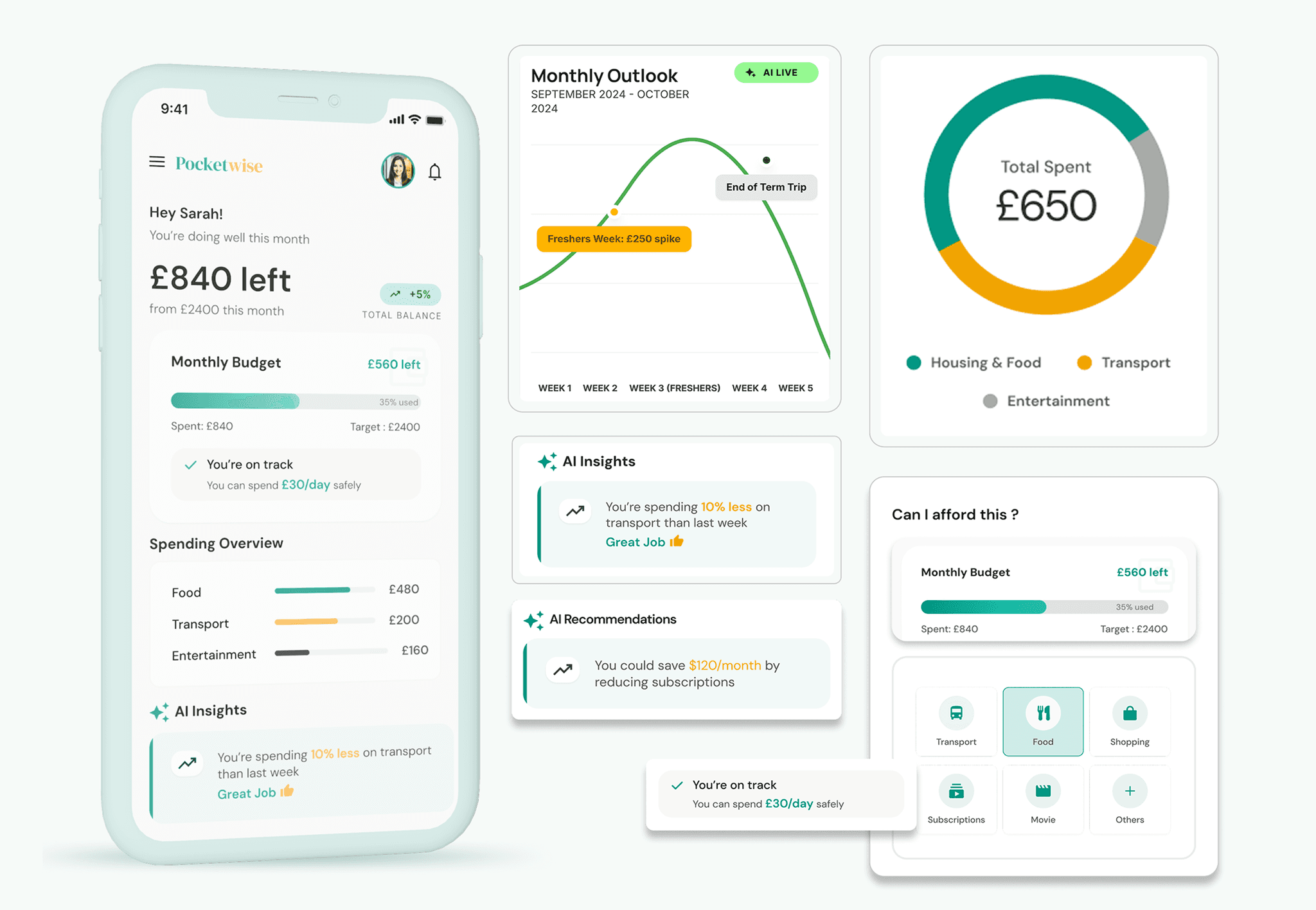
In this project, I redesigned a student budgeting experience by shifting focus from passive expense tracking to guided decision-making ; helping users understand their spending, reduce overwhelm, and take confident financial actions.
Summary
A quick overview of how student budgeting can be simplified into clear and easy financial decisions.
Reimagined how student budgeting apps should work. Instead of overwhelming users with numbers, I focused on making money management simple and easy to understand.
The experience is designed to guide students toward better spending habits, not just track expenses. By simplifying information and presenting it in a clear way, it helps users understand their finances faster and make confident decisions.
Faster Insights
40%
Smarter Spending
35%
Lower Drop-offs
50%
More Engagement
25%
The Problem
Budgeting tools rely heavily on data presentation but fail to support decision-making.
Users are left to interpret complex charts and fragmented information on their own.
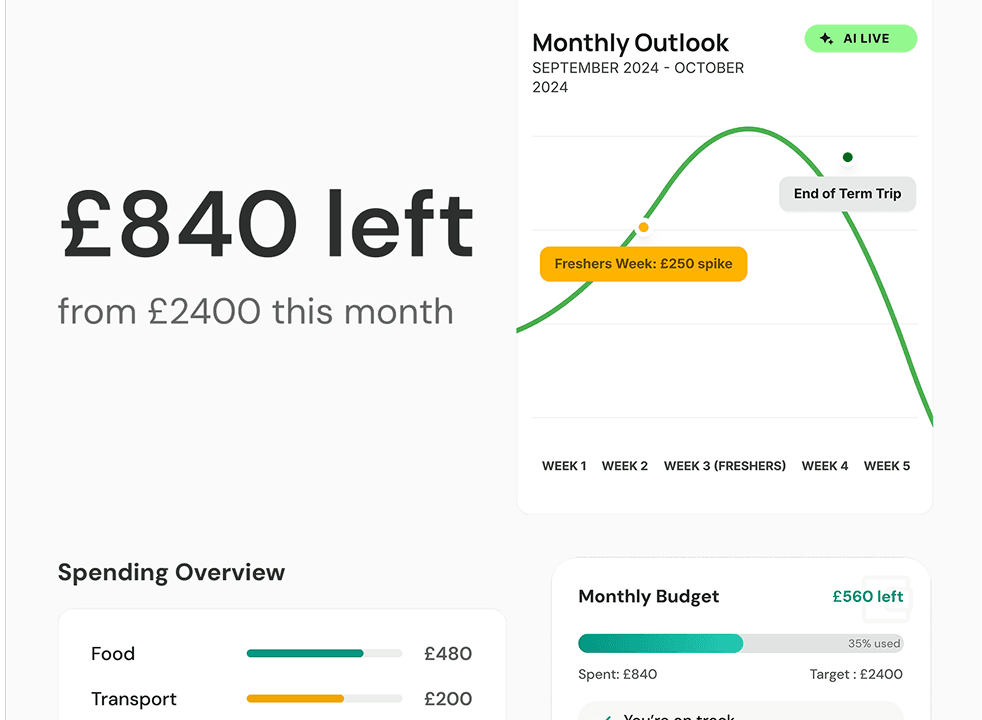
Information Overload
Too many categories and charts make it difficult to identify what actually matters.
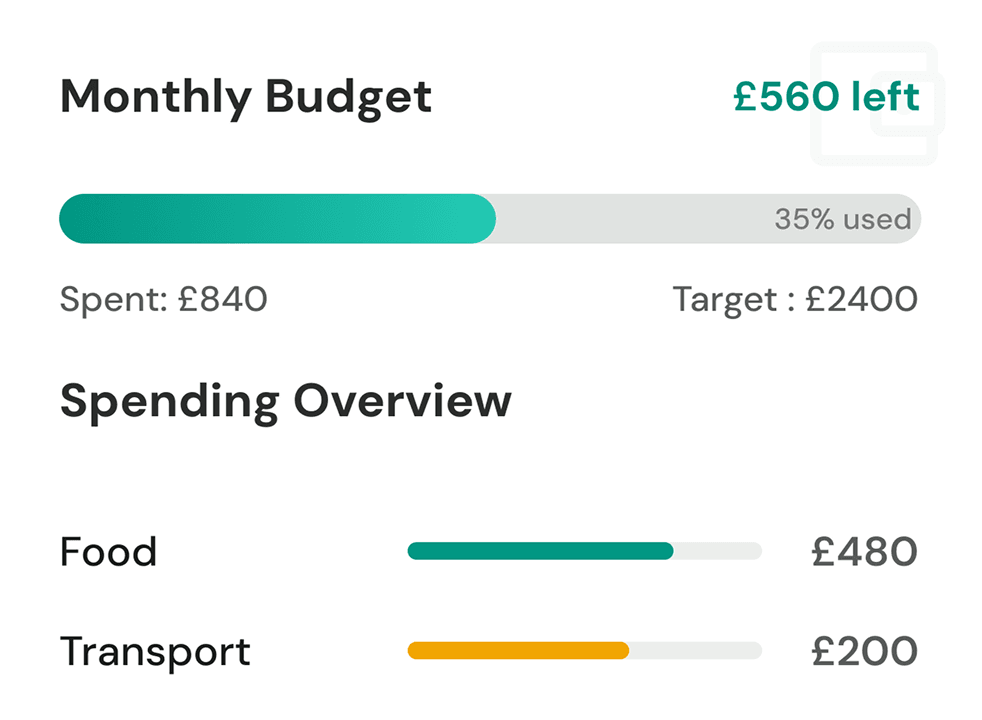
Lack of Direction
Users see data but don't know what actions to take.
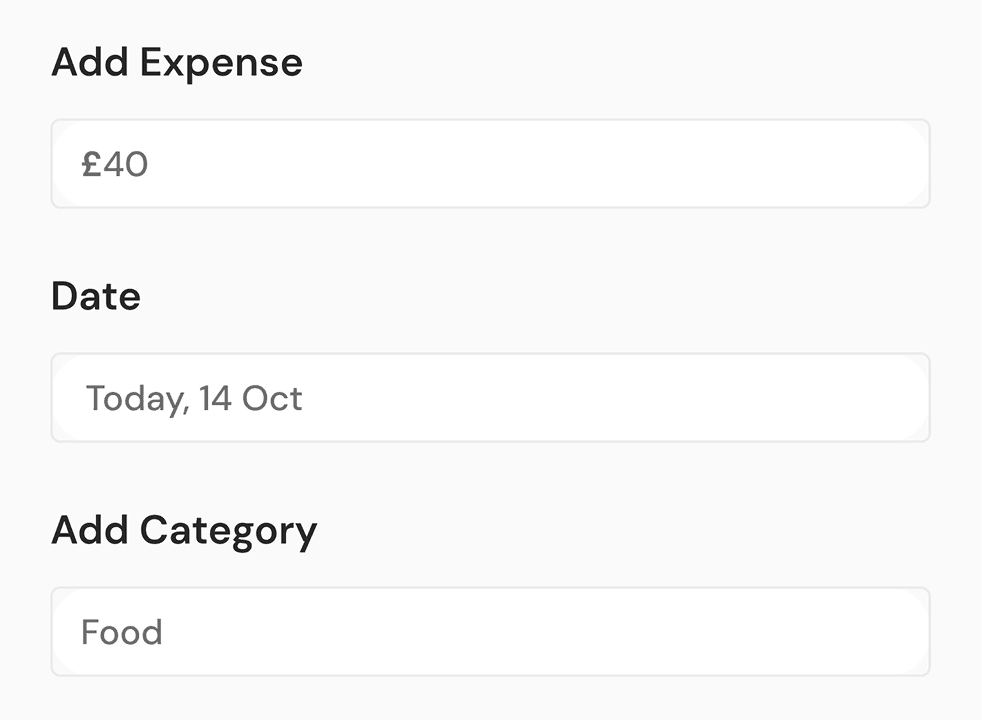
High Cognitive Effort
Understanding finances requires time and mental effort, leading to drop-offs.
Users and Research
Why it Started ?
Budgeting apps focus heavily on tracking but fail to support real decision-making. Users are exposed to fragmented data across charts and categories, creating confusion instead of clarity.
Who are we solving for?
Students and early professionals manage limited monthly budgets with frequent small expenses. They rely on quick decisions and need clear, easy-to-understand insights in seconds.
How are we solving it?
We shift the experience from tracking expenses to guiding decisions through structured insights. By reducing cognitive load and surfacing only relevant information, users can quickly understand and act.
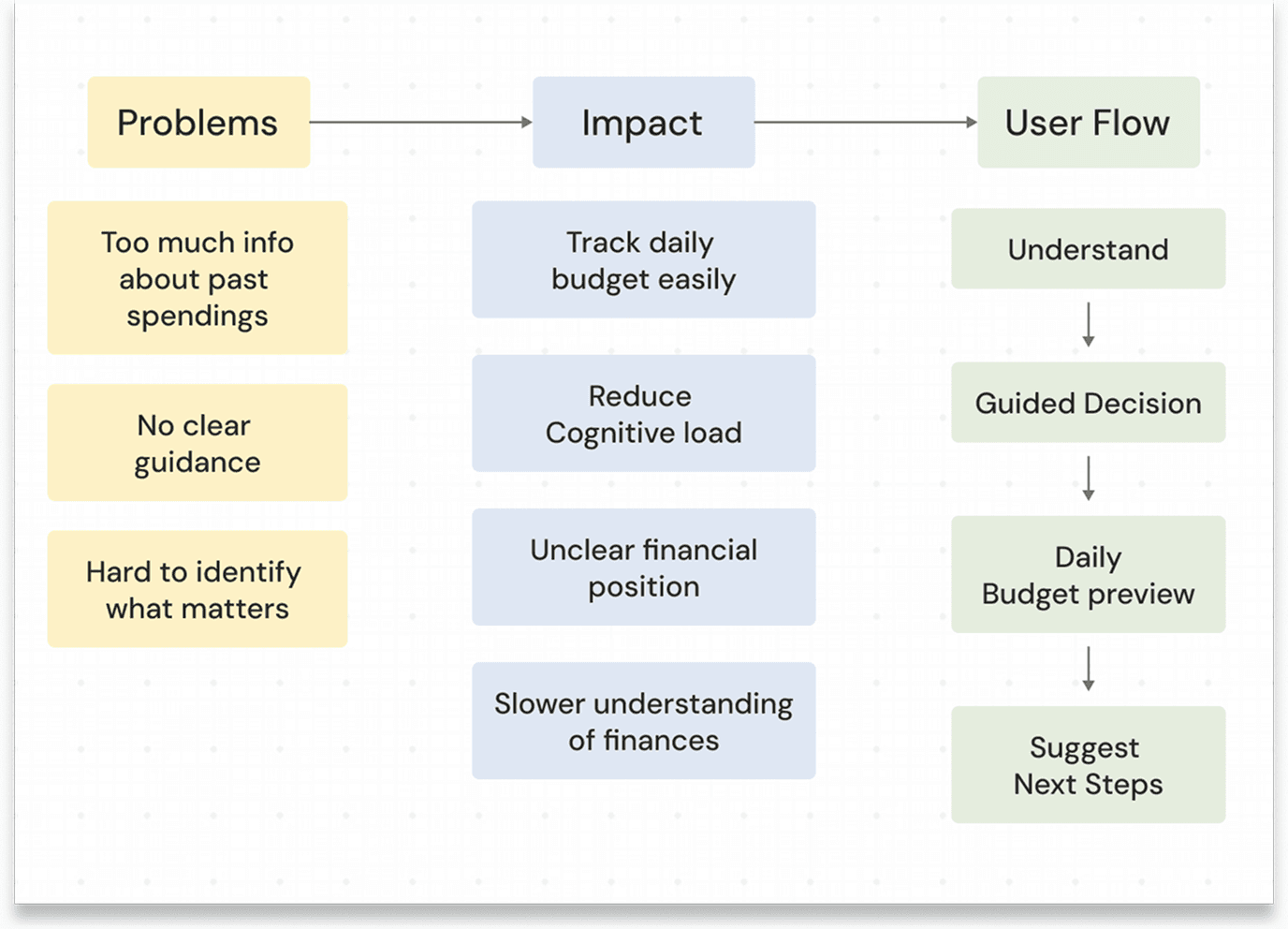
Research Approach
Focused on understanding how users interpret financial data rather than how they input it.
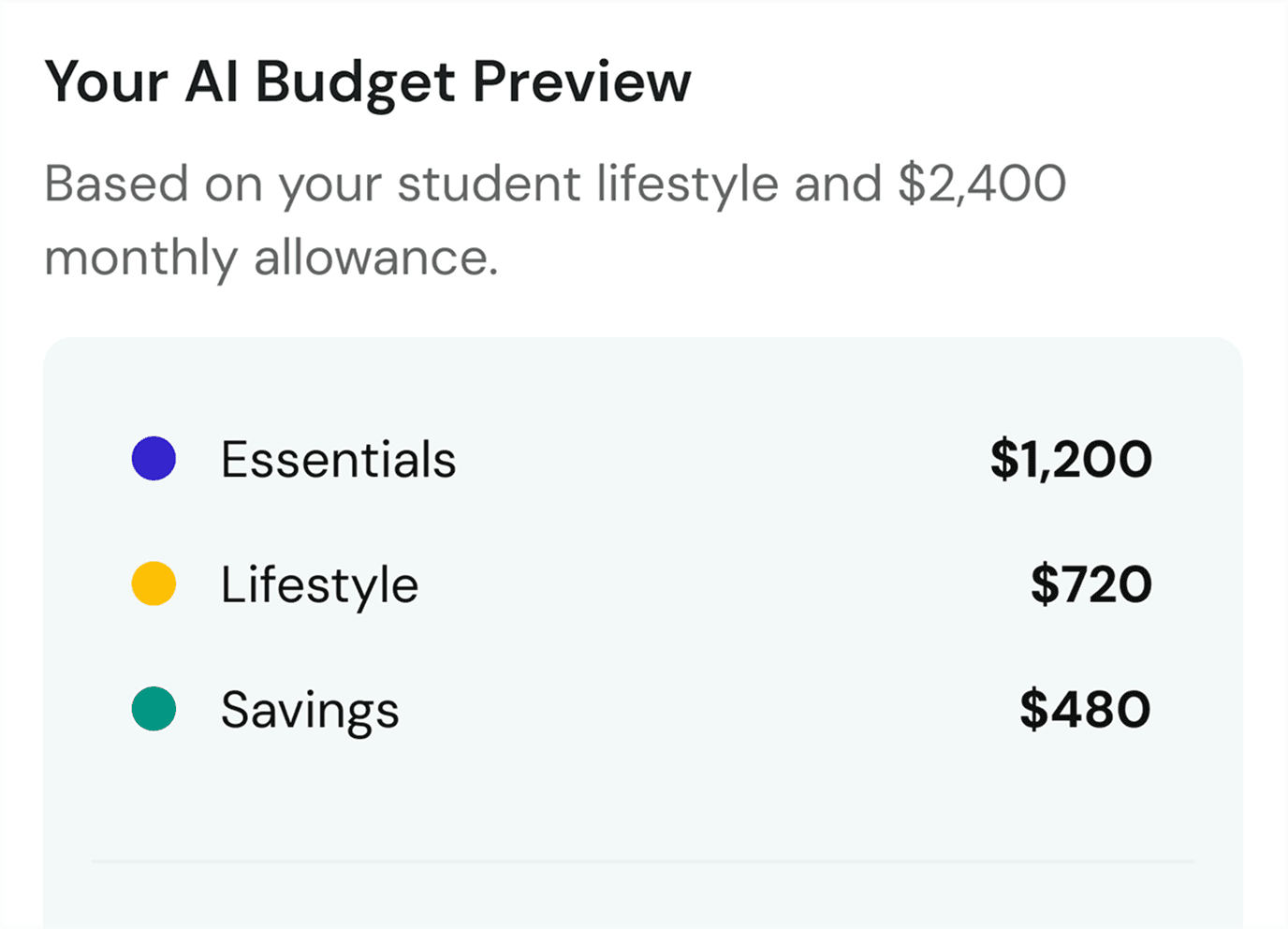
AI Opportunity
AI allows the product to move from passive reporting to proactive financial assistance.
Frustrations and Findings
Users struggled to interpret their financial data due to cluttered interfaces and lack of clear direction. Instead of enabling decisions, existing experiences required effort, leading to confusion, hesitation, and inconsistent usage.
Pain points identified
Design Concept
Guided Financial Clarity
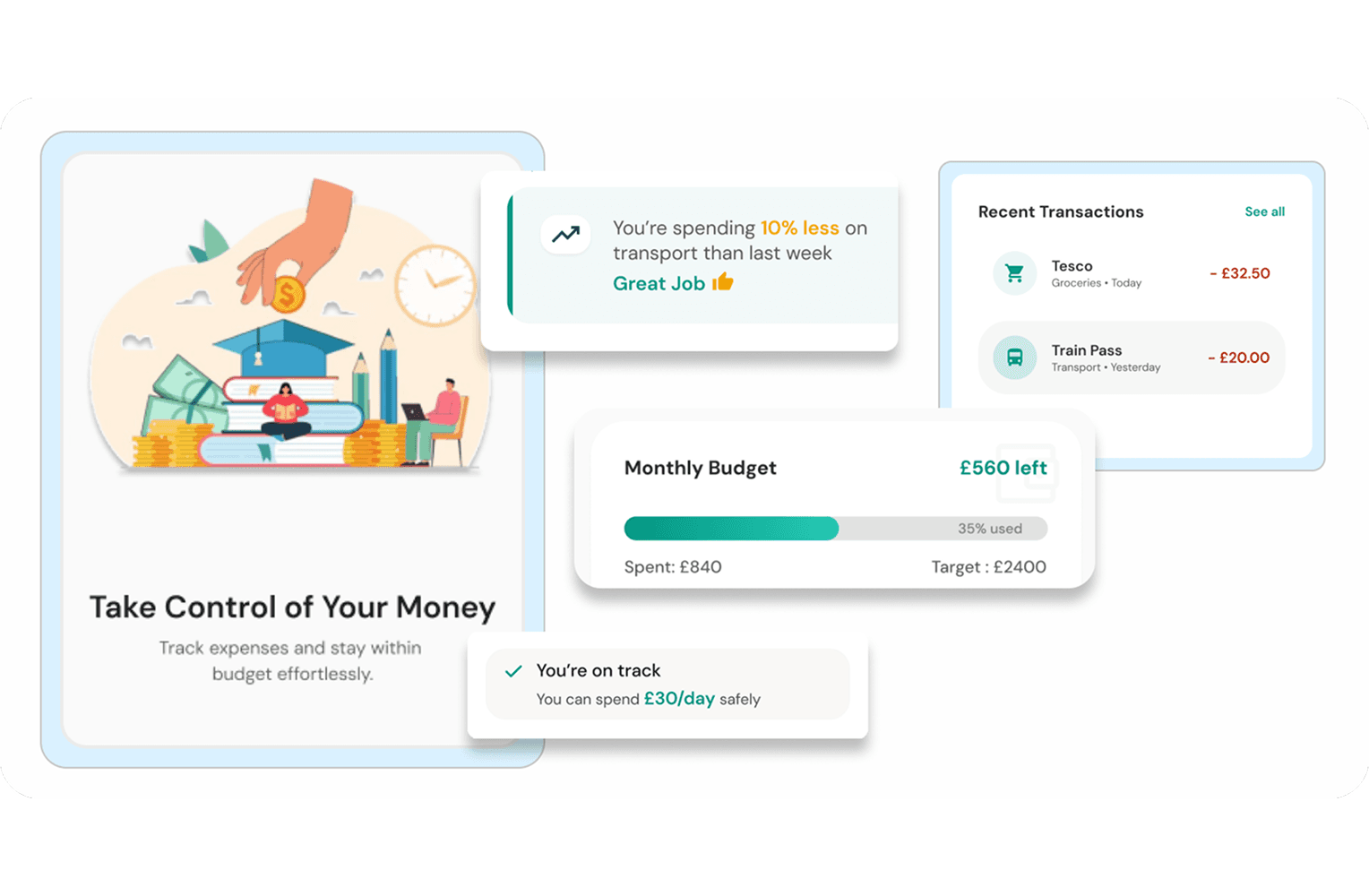
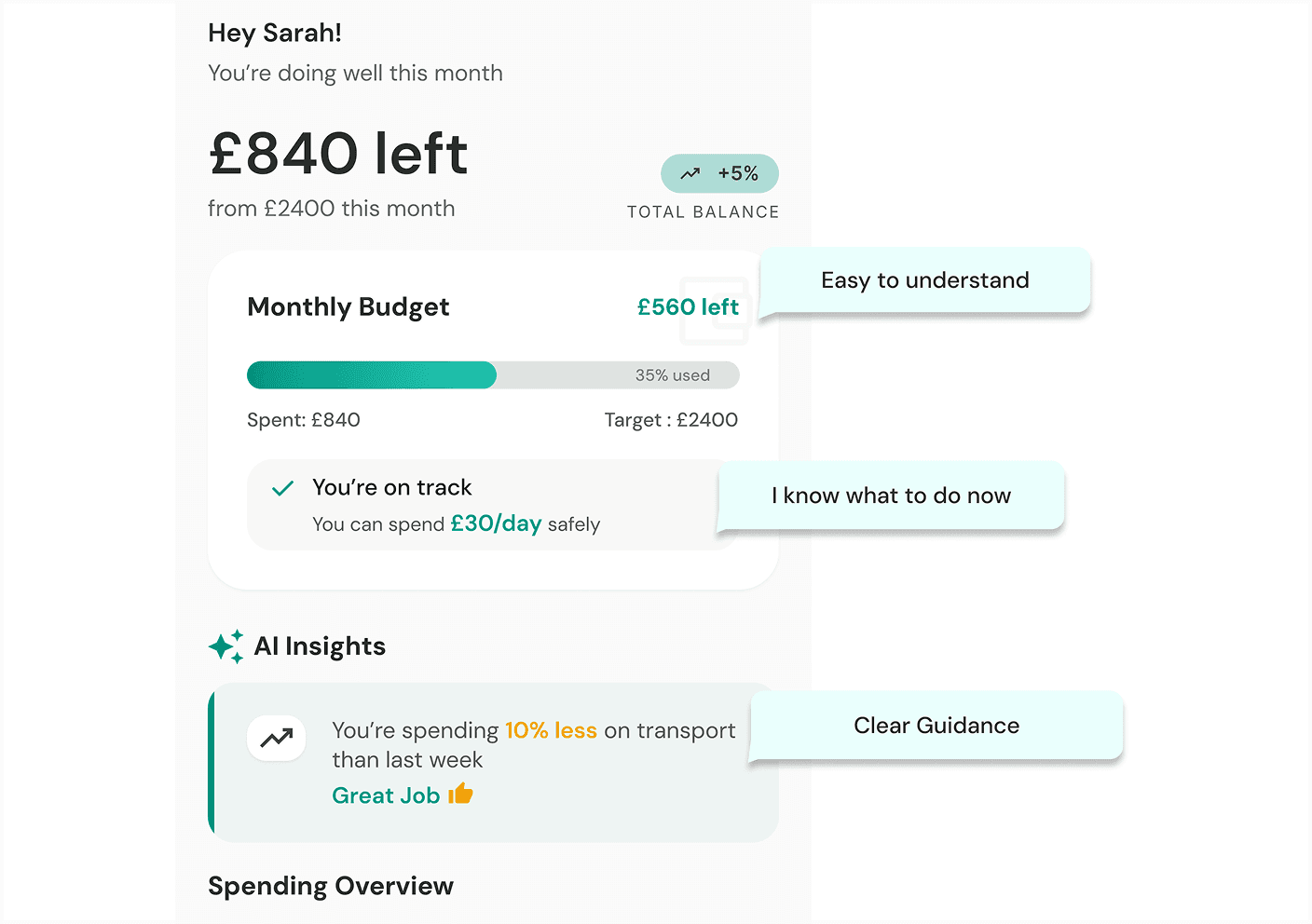
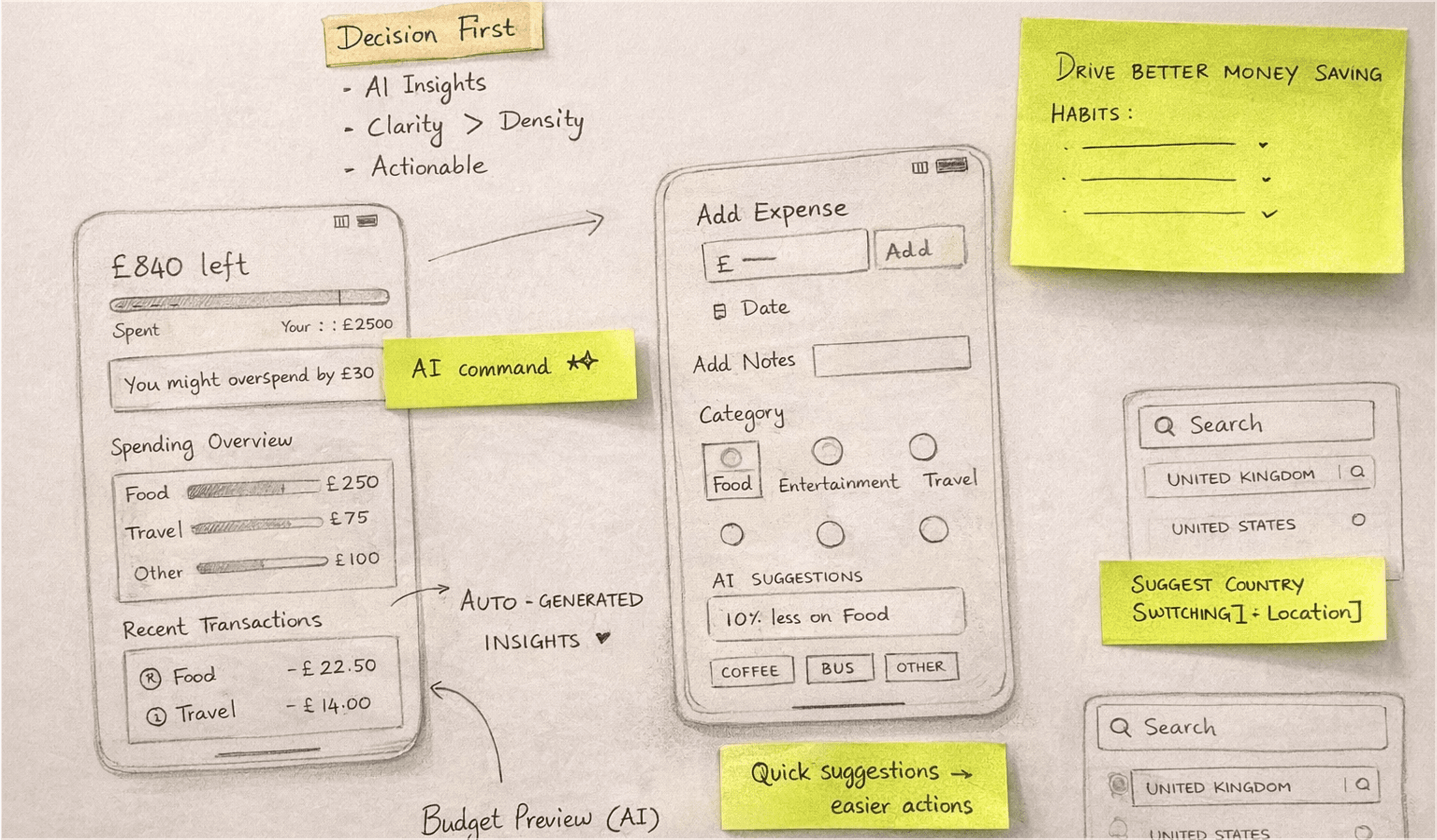
Simplified the interface to highlight only what truly matters for quick understanding.
- Removed excessive charts and unnecessary categories
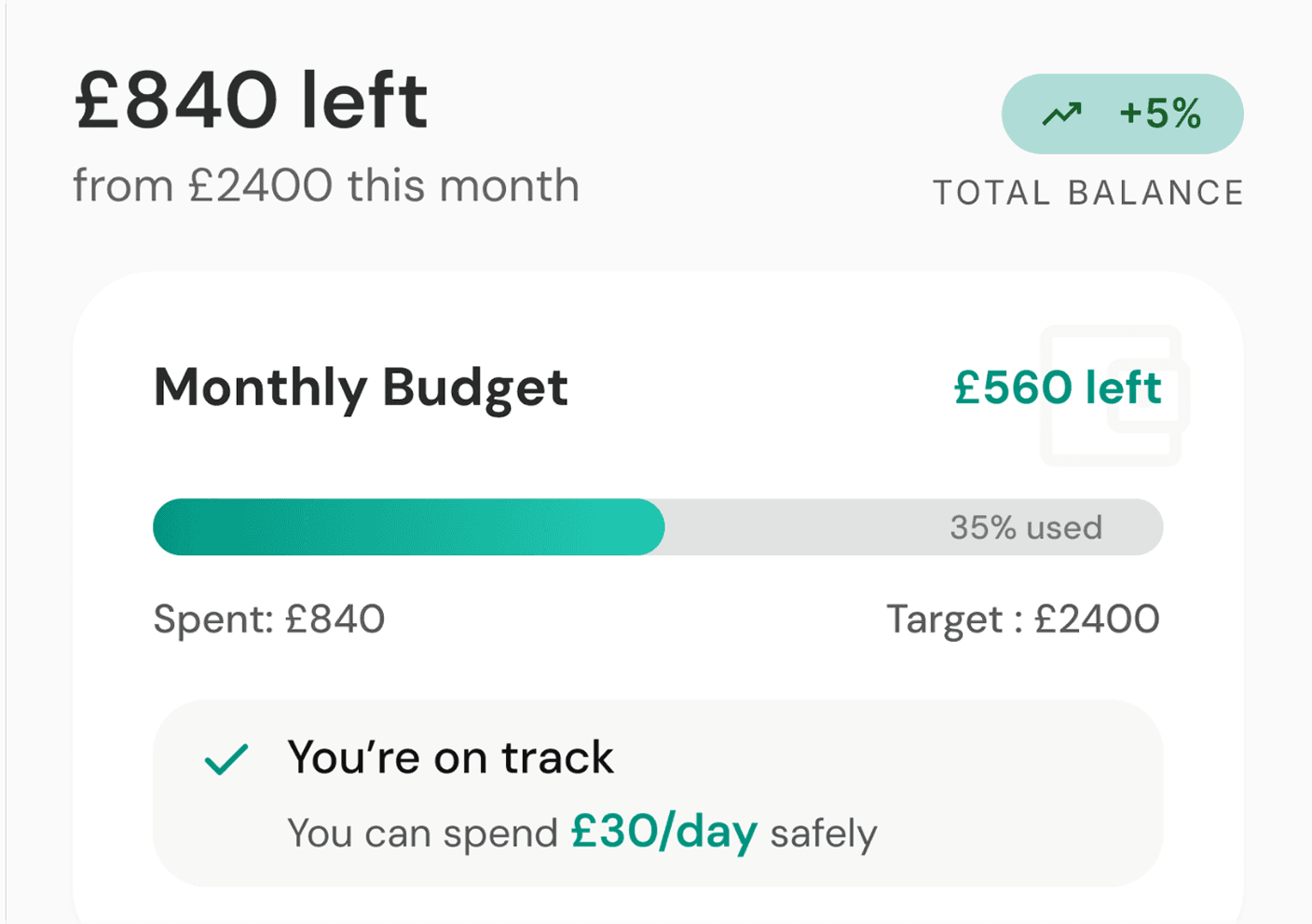
- Prioritized key metrics like balance and budget status
- Simplified hierarchy for faster visual scanning
- Structured content for clarity and readability
- Focused on showing only relevant information
Decision-First Experience
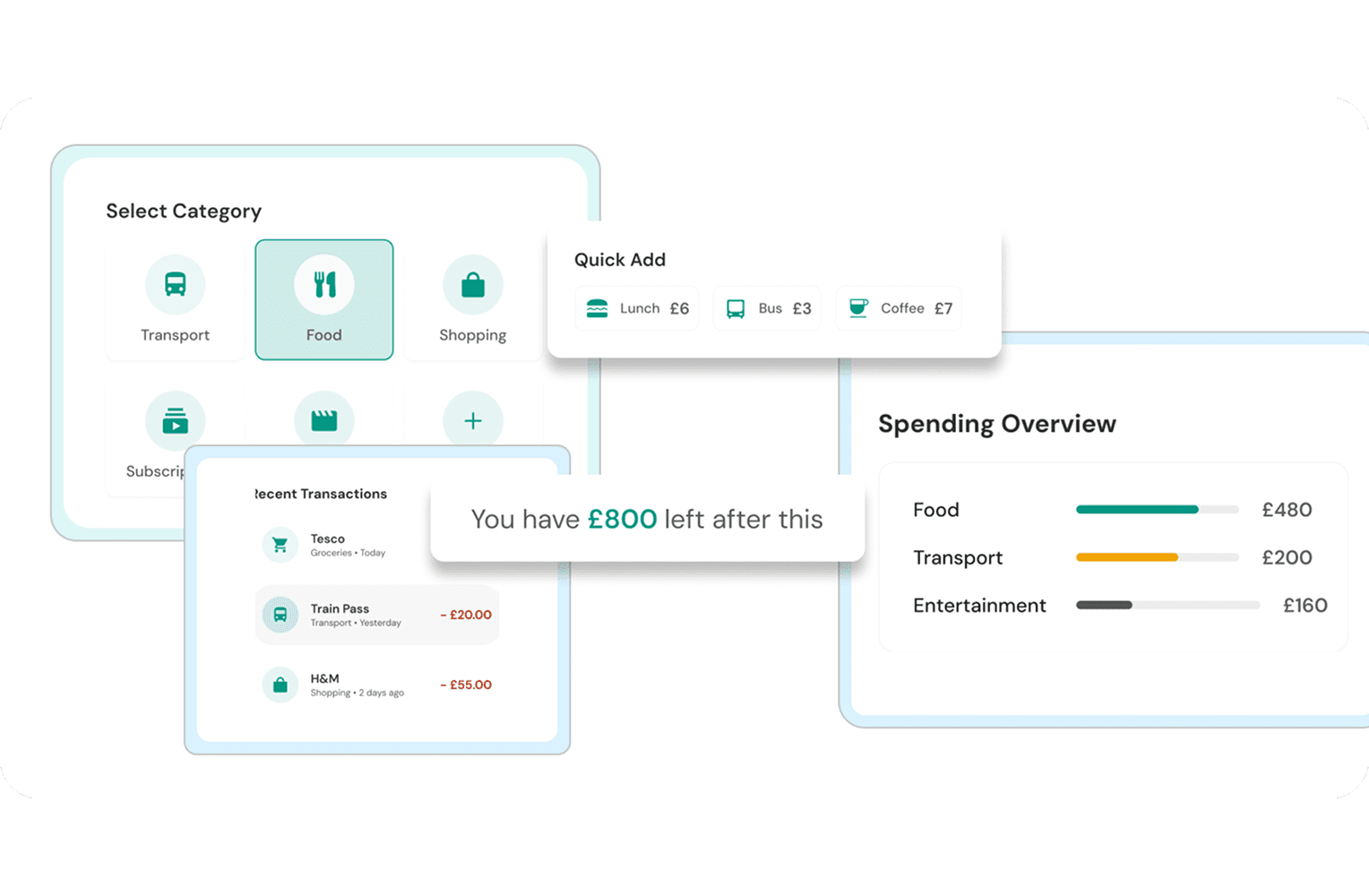
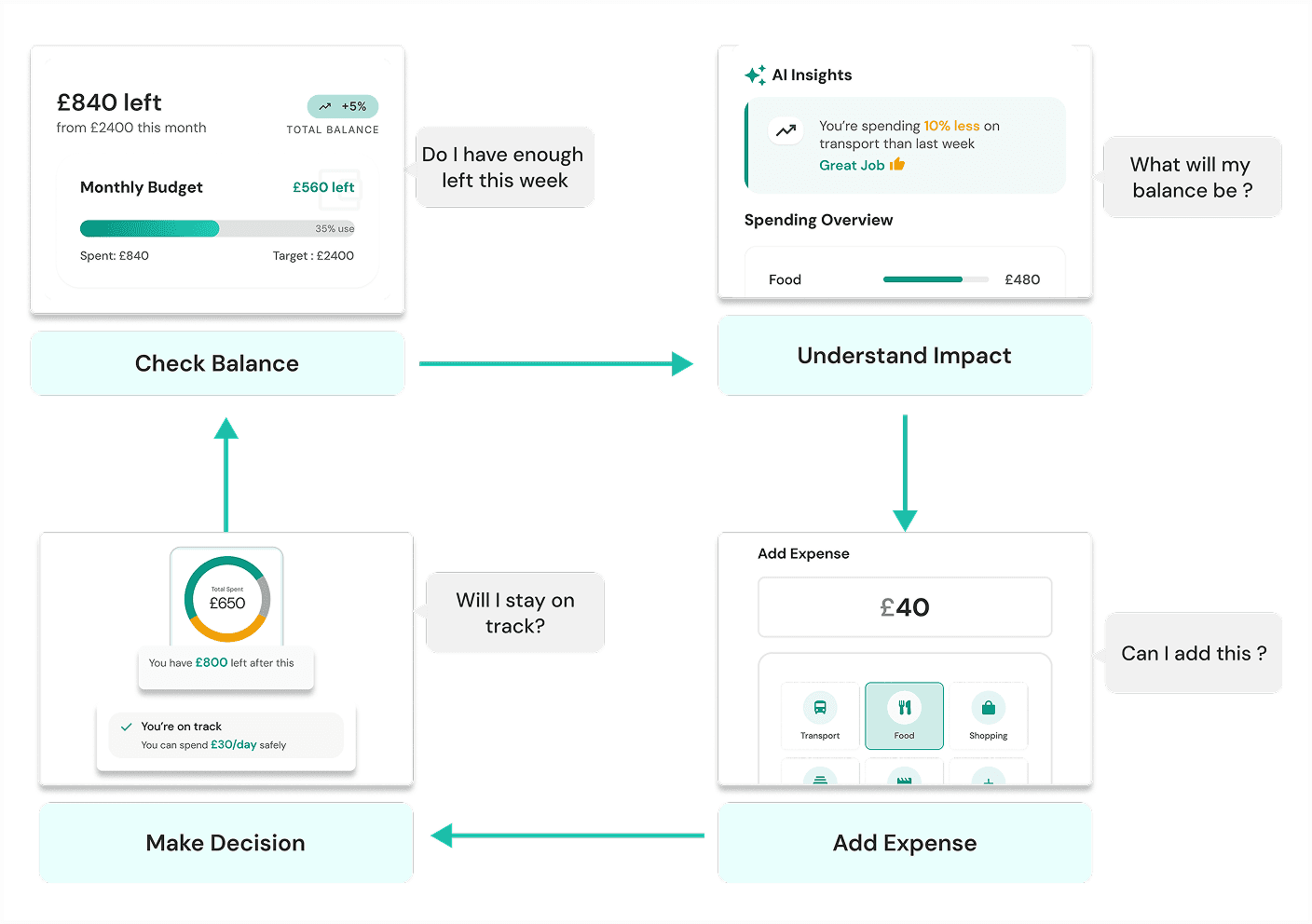
Reframed the experience to support decisions instead of passive tracking.
- Shifted focus from data display to decision support
- Added real-time feedback during user actions
- Reduced steps to understand spending impact
- Designed flows around key user questions
- Eliminated delays between action and insight
- Enabled faster, more confident decisions
AI-Driven Financial Guidance
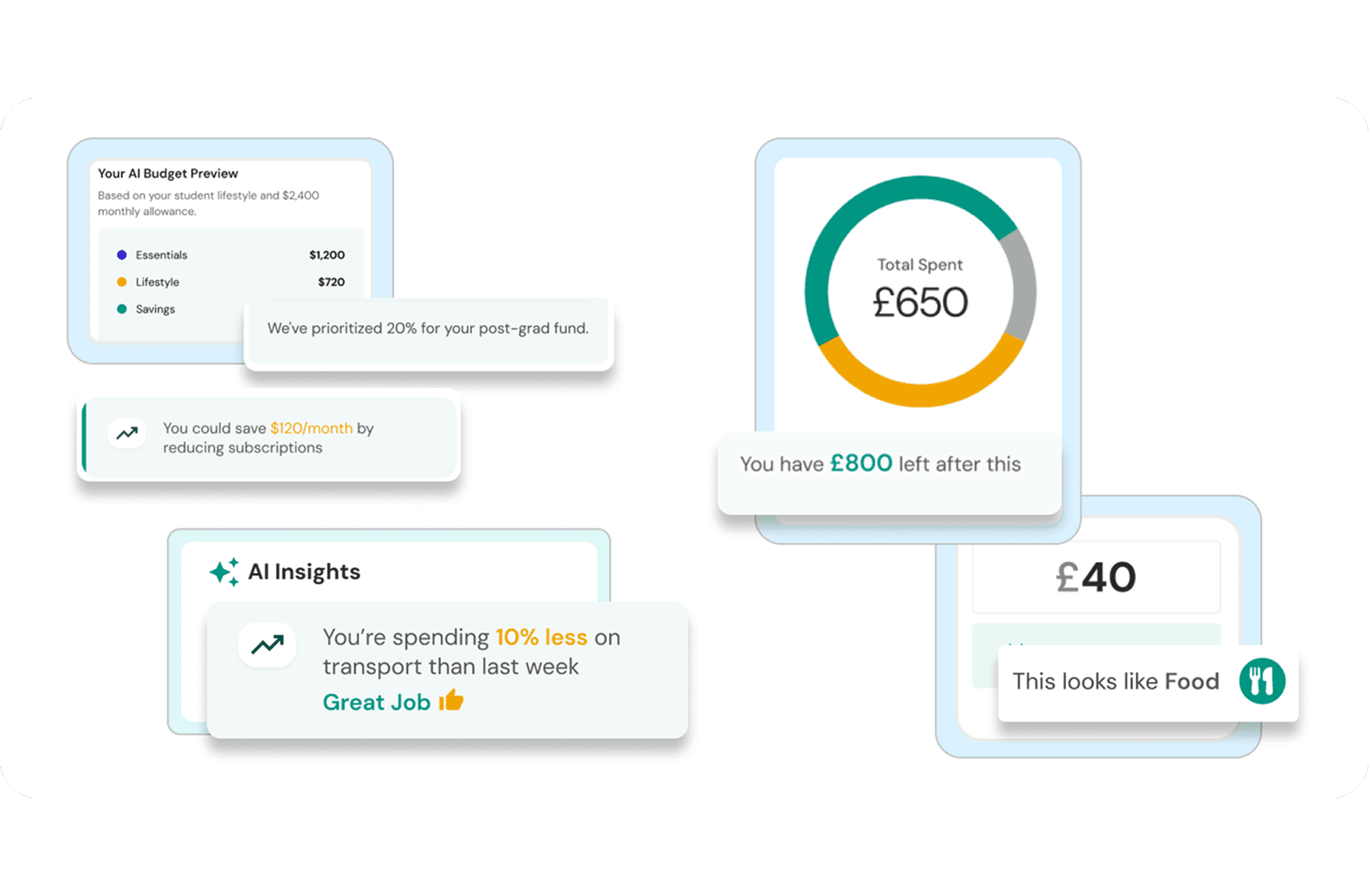
Introduced intelligence to guide users with relevant and timely insights.
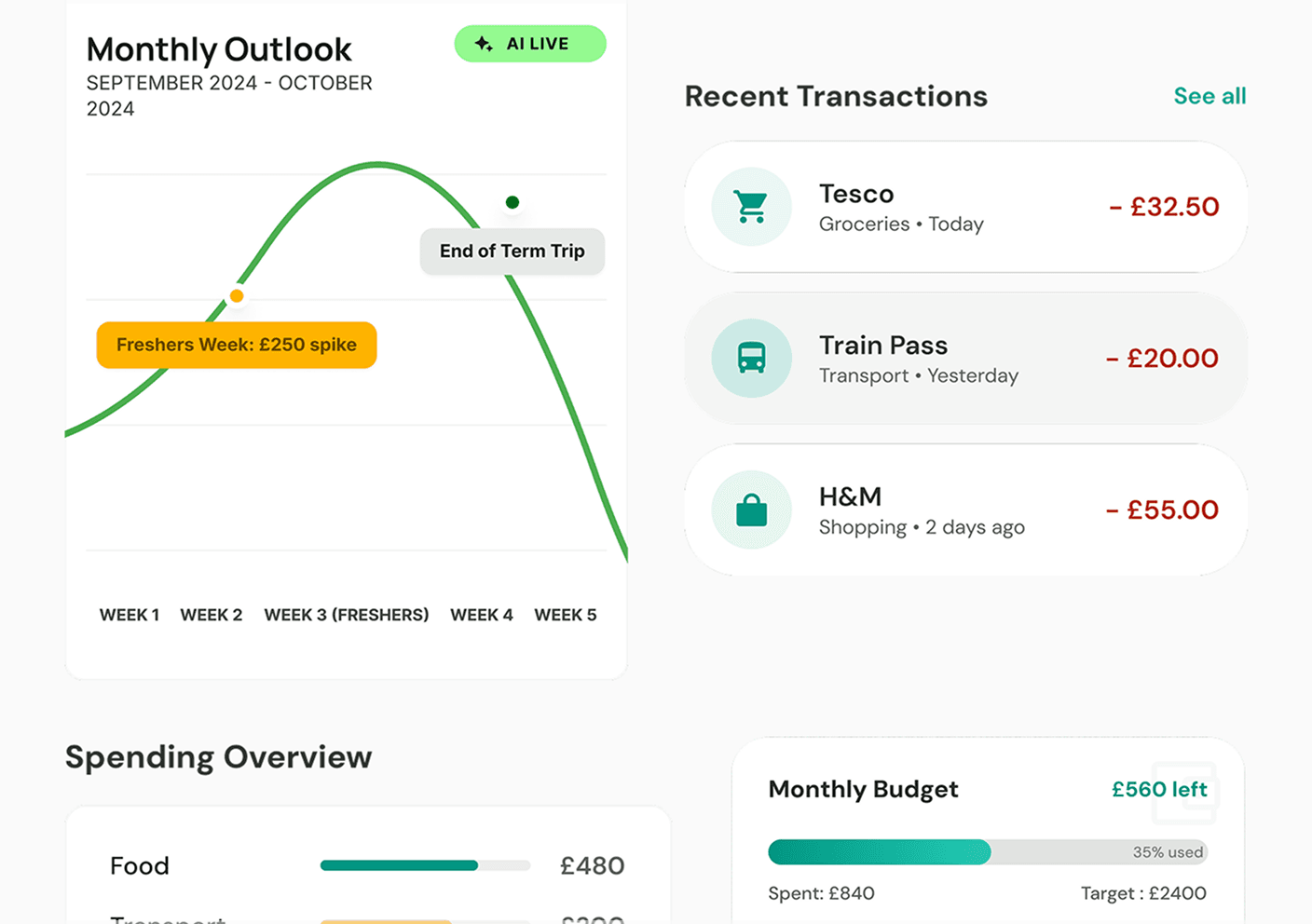
- Replaced static summaries with contextual insights
- Reduced need for manual data interpretation
- Highlighted actions instead of raw information
- Positioned AI as a decision support system
- Enabled proactive financial guidance
User Testing
This phase focused on validating how users understand insights and make financial decisions using the redesigned experience.
The wins that made me happy
Tested the experience with students to evaluate how effectively it supports real financial decisions. Users were able to quickly understand their financial state without interpreting complex charts or fragmented data. Core actions like tracking spending and adding expenses felt more intuitive and required less effort.
The experience increased user confidence by providing clear, actionable insights at the right moments. Participants reported feeling more in control of their finances and less overwhelmed. This validated the shift from passive tracking to a guided, decision-first experience.
Snippets
Before & After
Designs and explorations
Design Impact
Learnings
- Clarity in financial products matters more than data density
- Users prefer quick answers over detailed analysis
- Reducing cognitive load improves decision confidence
- Contextual insights are more valuable than static dashboards
- Decision support drives engagement better than tracking
- Simplicity directly impacts long-term product adoption
What's Next
Smarter Personalization
Adapts insights based on user patterns to support better choices.
Predictive Insights
Forecasts upcoming expenses to help users plan with more clarity.
Habit Building
Builds consistent money habits with nudges and simple progress cues.