Designing My Portfolio as a Product
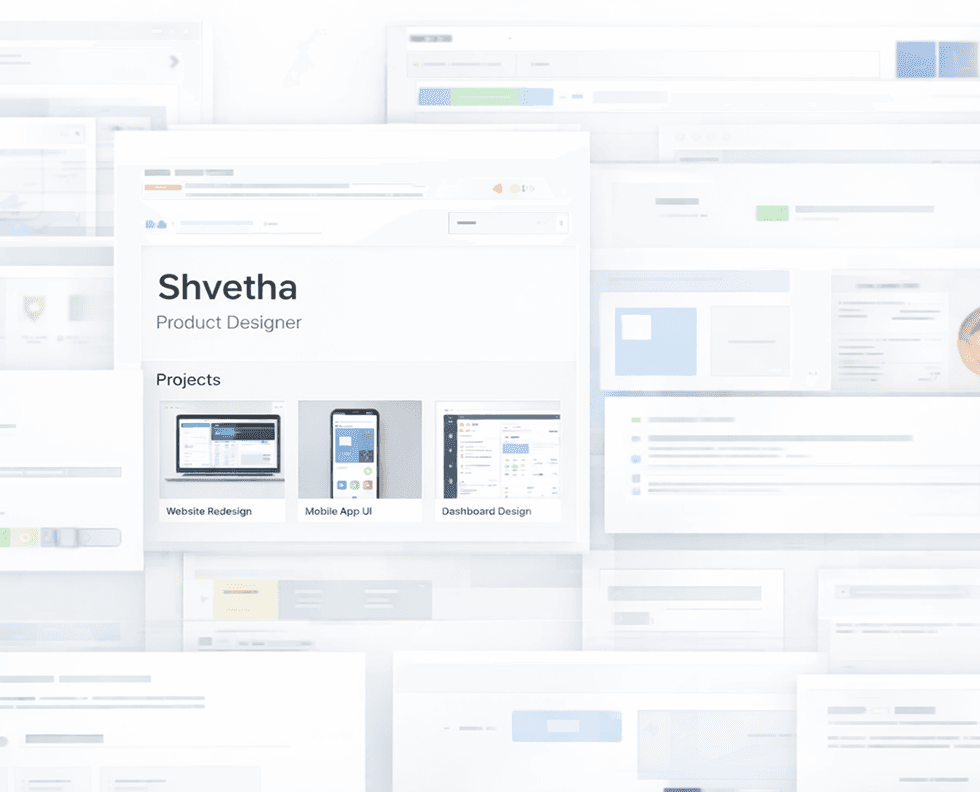
A self-initiated project focused on transforming my portfolio from a visual showcase into a strategic product that communicates design thinking, decision-making, and impact clearly to recruiters within seconds.
Summary
Most portfolios focus on visuals, making it difficult for recruiters to quickly understand a designer's thinking, process, and real impact.
This project rethinks the portfolio as a product, prioritizing clarity, storytelling, and scannability over purely aesthetic presentation.
The goal was to design a portfolio that communicates value within seconds while still allowing deeper exploration when needed.
Improved content clarity
40%
Lower Effort Evaluation
38%
Faster project understanding
55%
Better Scannability
42%
The Problem
Recruiters struggle to quickly evaluate portfolios as key insights, decisions,
and impact are unclear or difficult to find.
Low signal-to-noise ratio
Important insights are buried under visual-heavy content.
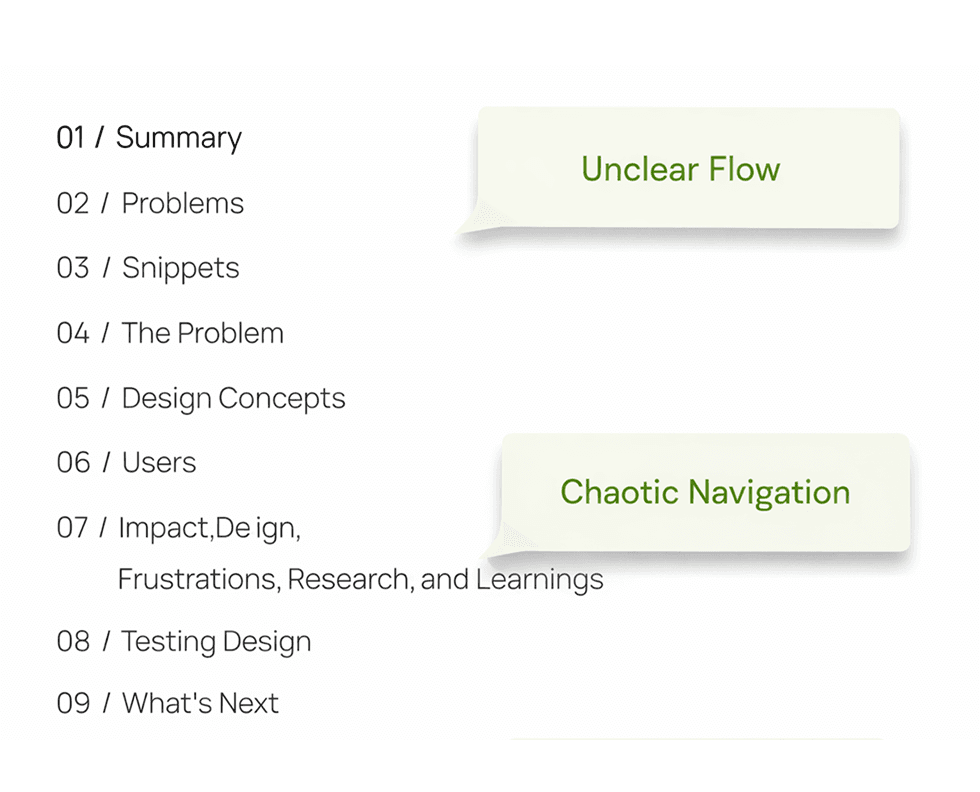
Unstructured evaluation flow
No clear path to review projects efficiently, increasing time and effort.
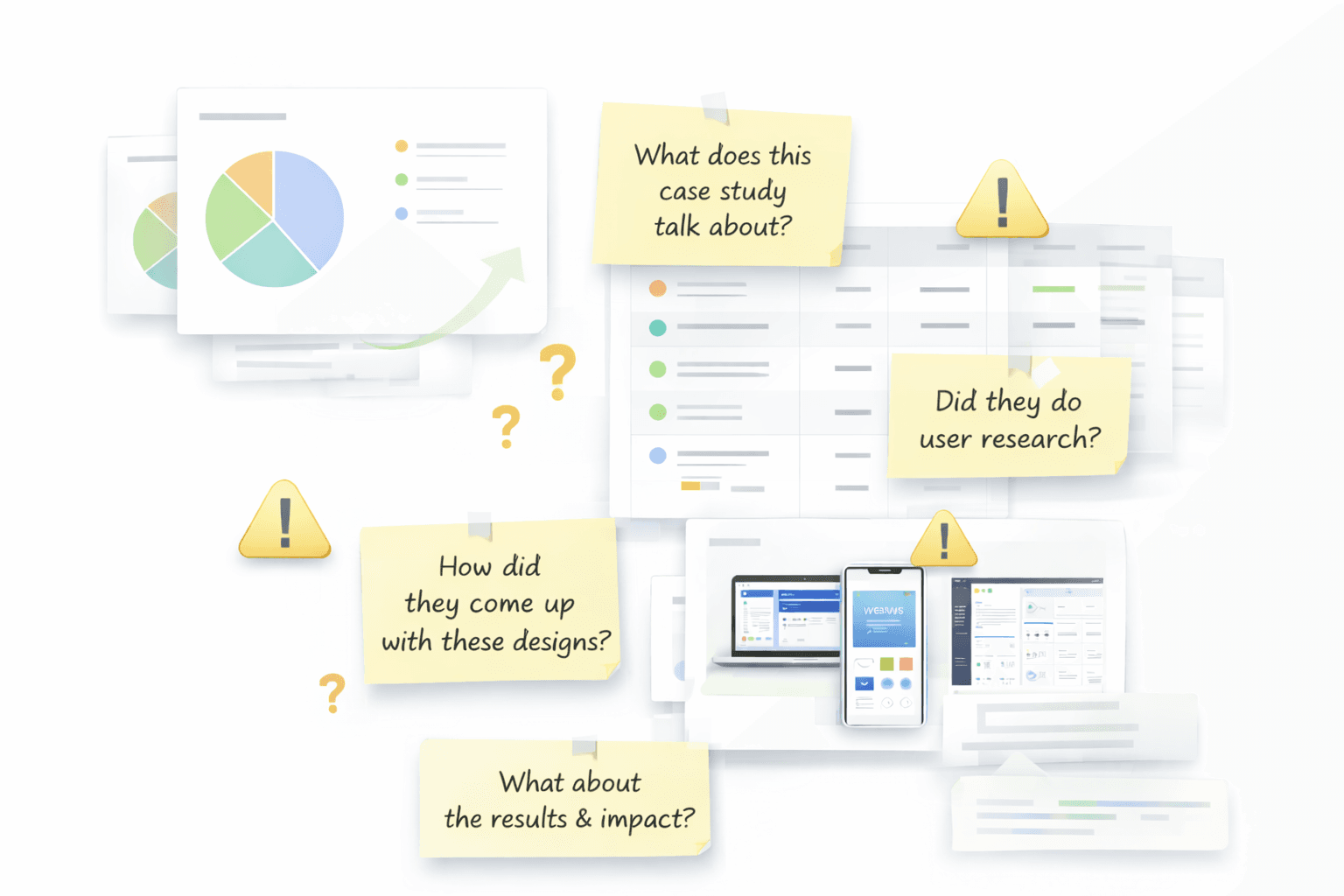
Hard to evaluate decisions
Lack of clarity makes it difficult to assess the quality of thinking.
Users and Research
Why it Started ?
Recruiters struggle to quickly evaluate portfolios when thinking and impact are unclear; while designers focus more on visuals than clearly communicating decisions.
Who are we solving for?
Primary: Recruiters and hiring managers evaluating candidates quickly. Secondary: Designers presenting their work effectively through clear and structured storytelling.
How are we solving it?
Design the portfolio as a structured experience that surfaces key insights for recruiters while helping designers communicate decisions, process, and impact clearly.
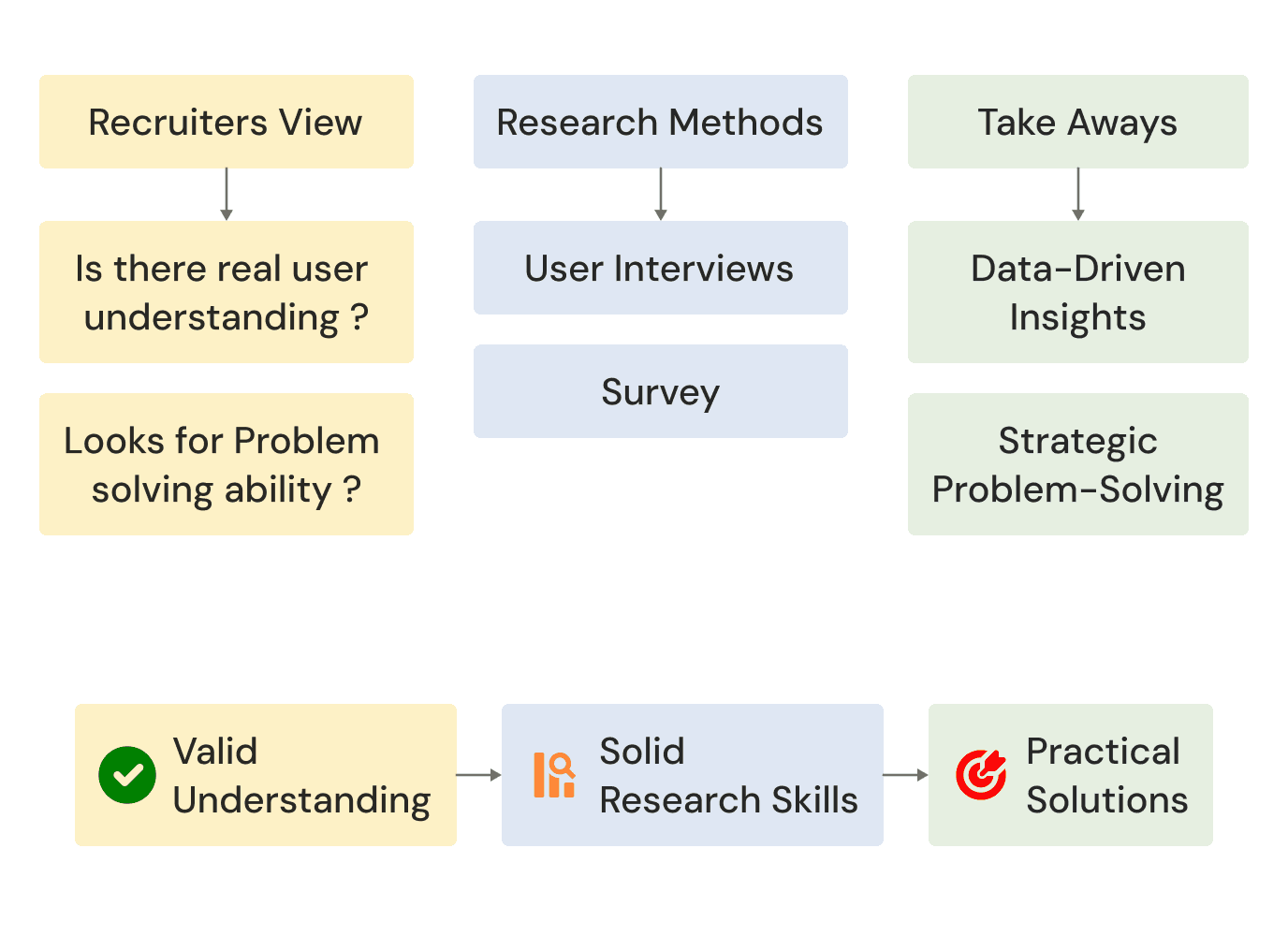
Research Approach
Studied how recruiters scan portfolios and what signals they rely on, along with how designers present work and where communication gaps reduce clarity.
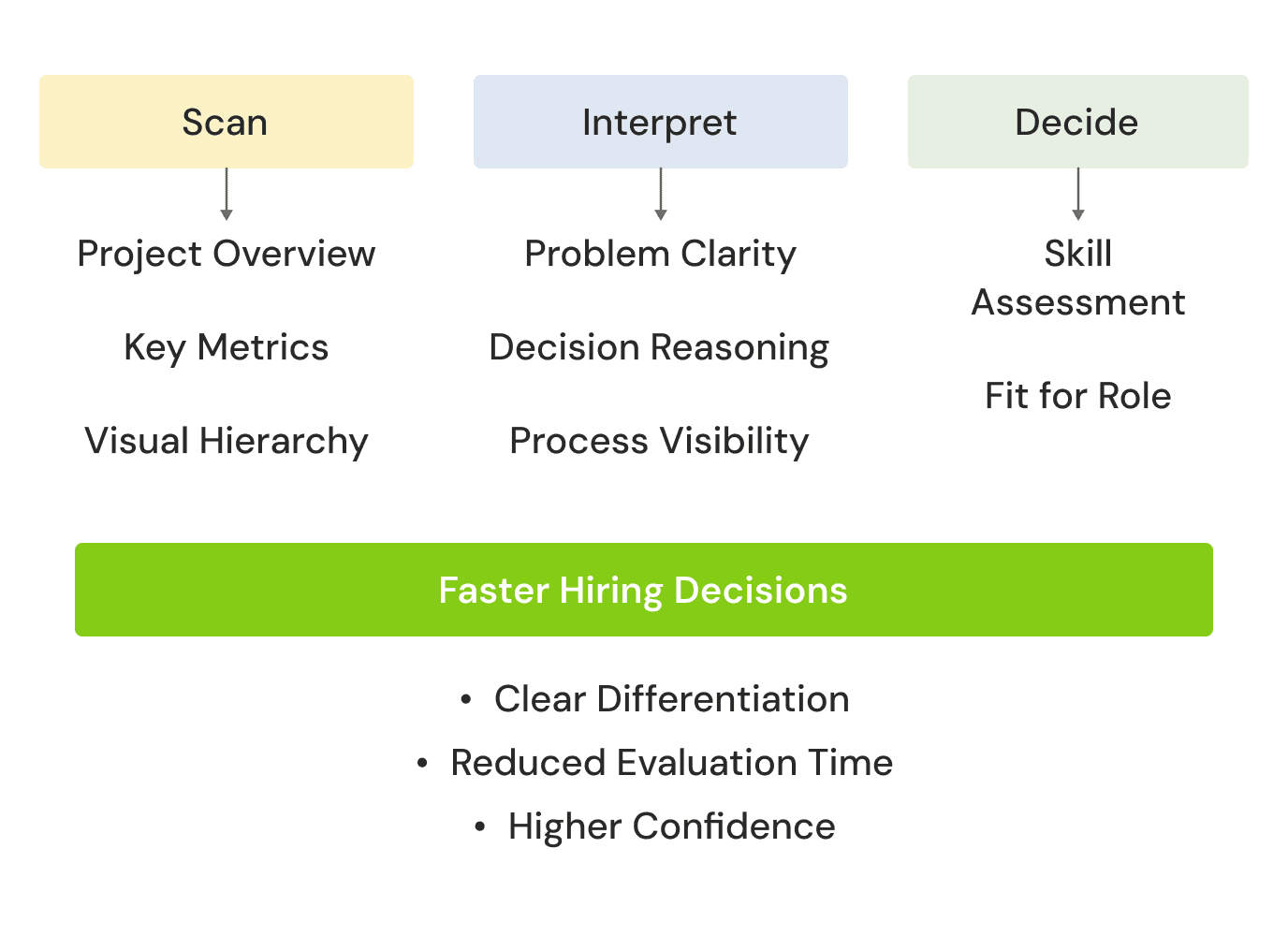
Evaluation Signals
Identified key signals recruiters rely on to evaluate portfolios quickly, including clarity of problem, visible decision-making, and structured storytelling.
Frustrations and Findings
Recruiters don't struggle to evaluate portfolios because of lack of skill, but because key insights are not visible at the right time during evaluation.
Pain points identified ( Recruiters )
Pain points identified ( Designers )
Design Concept
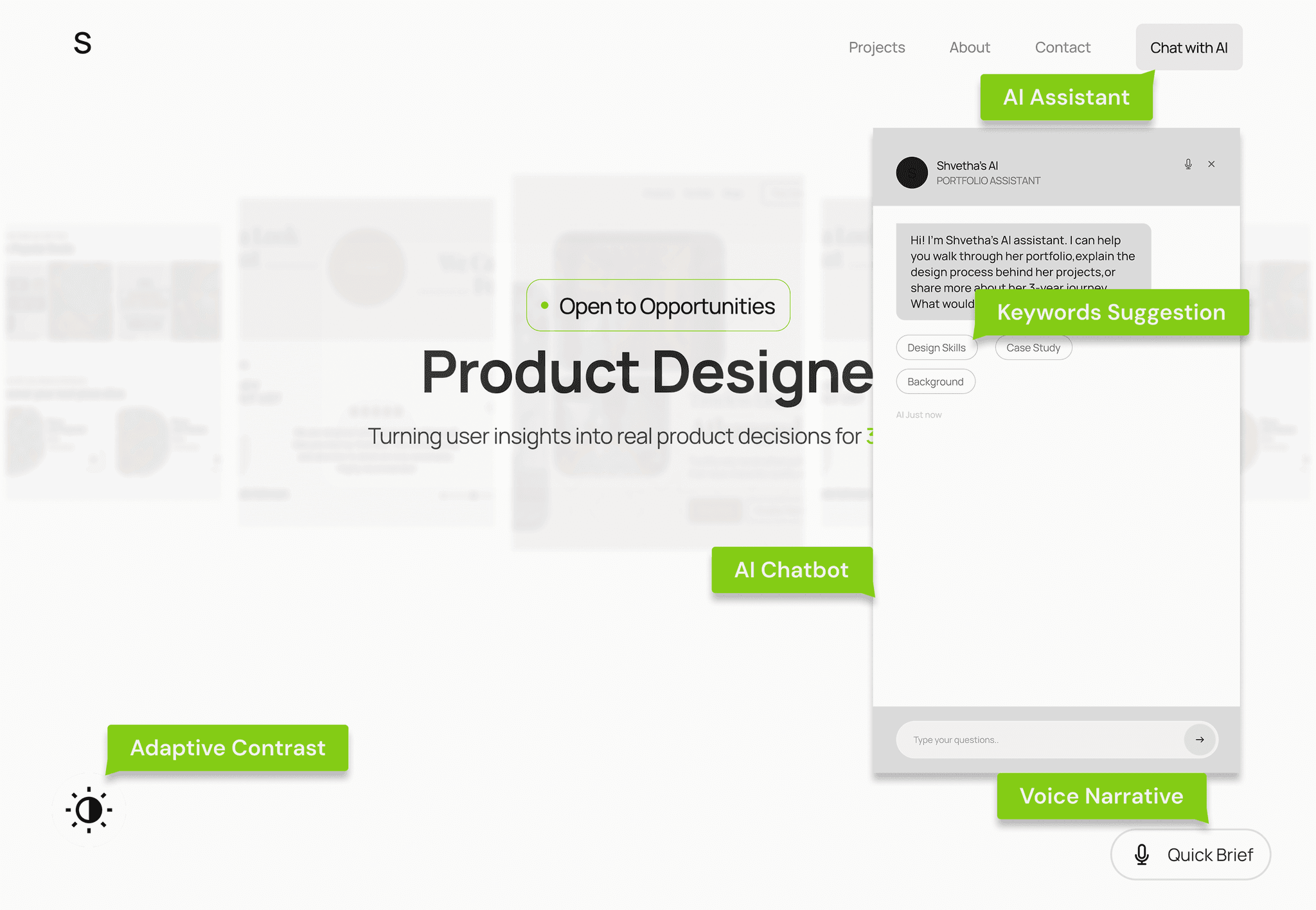
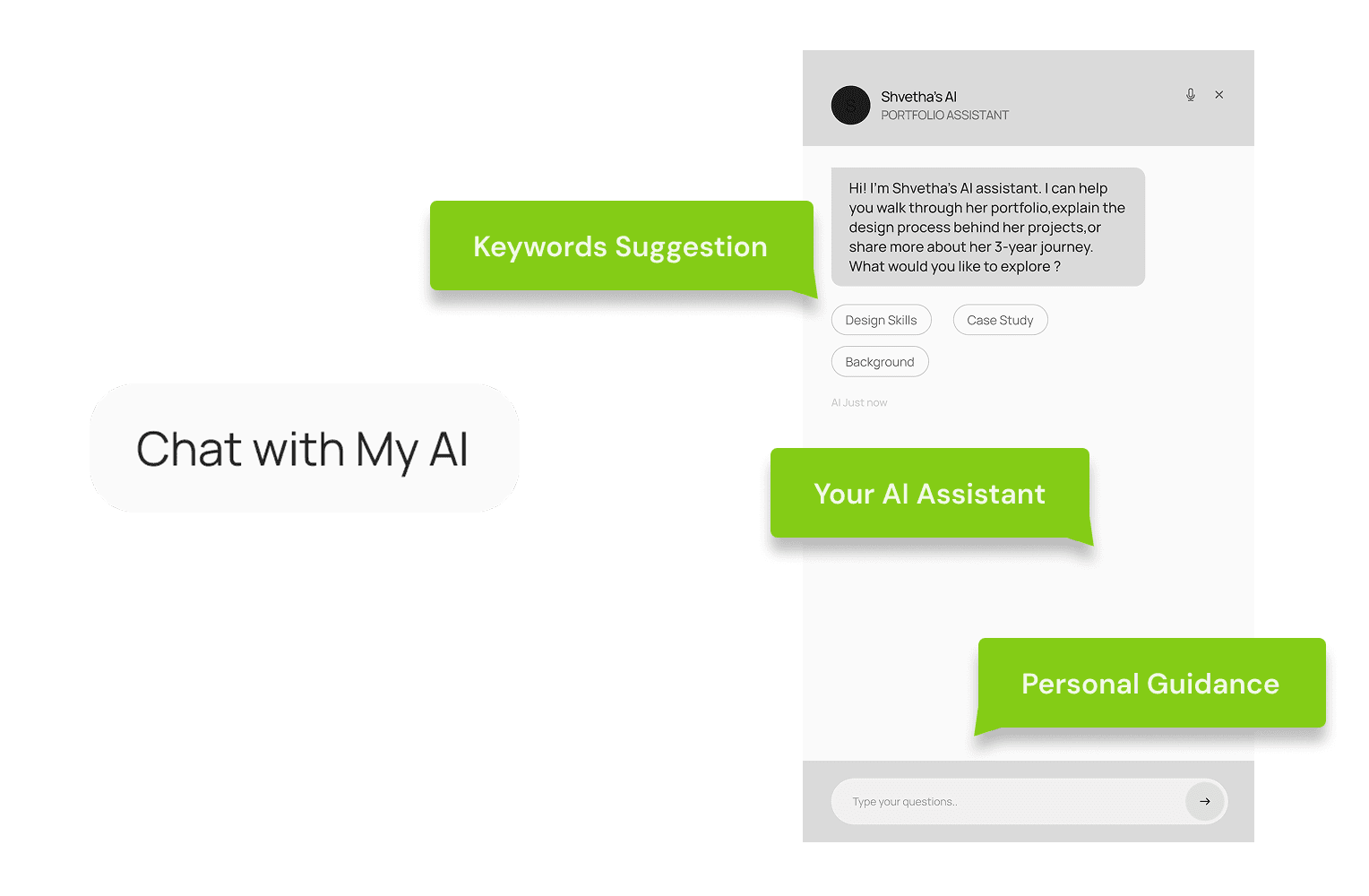
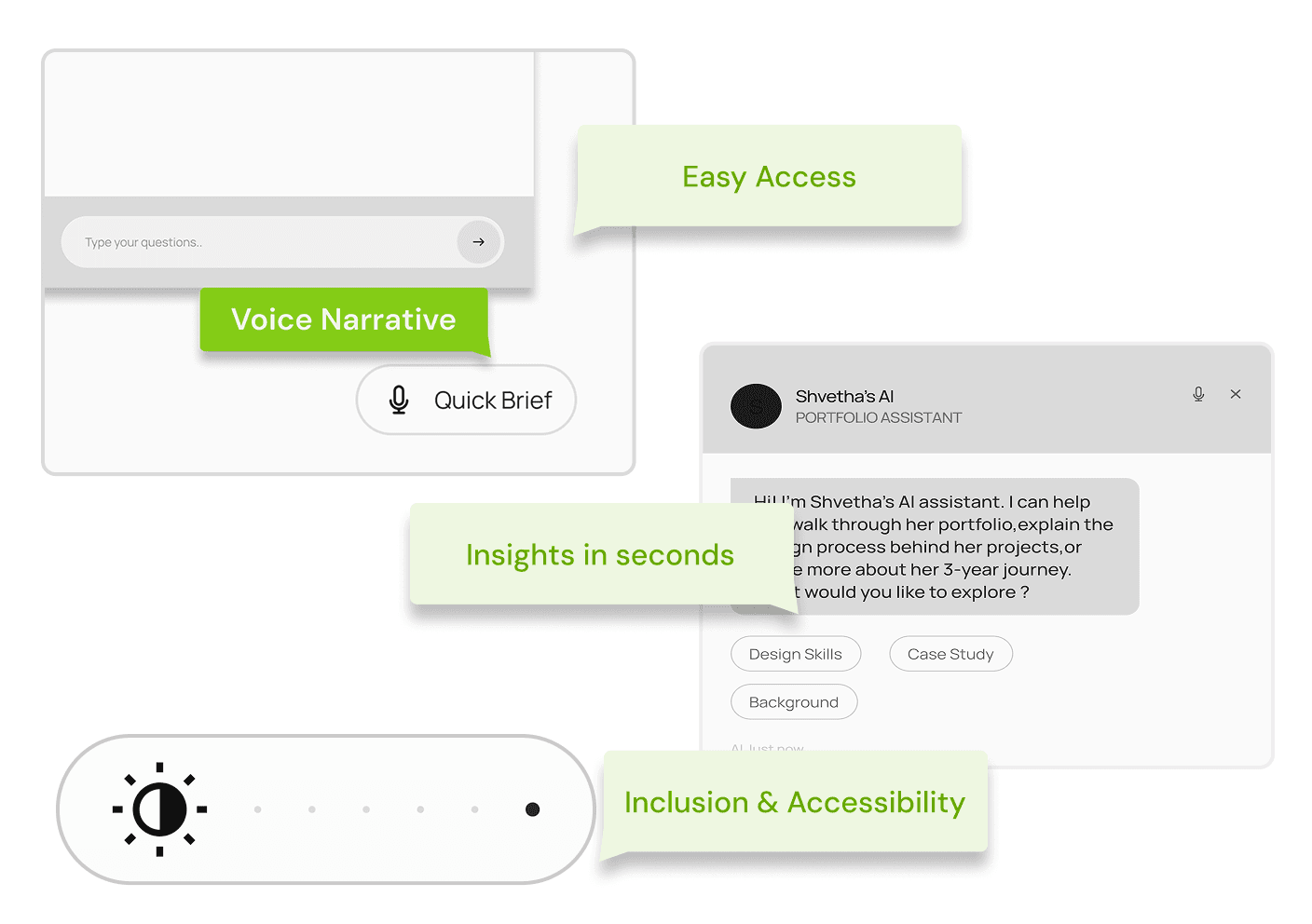
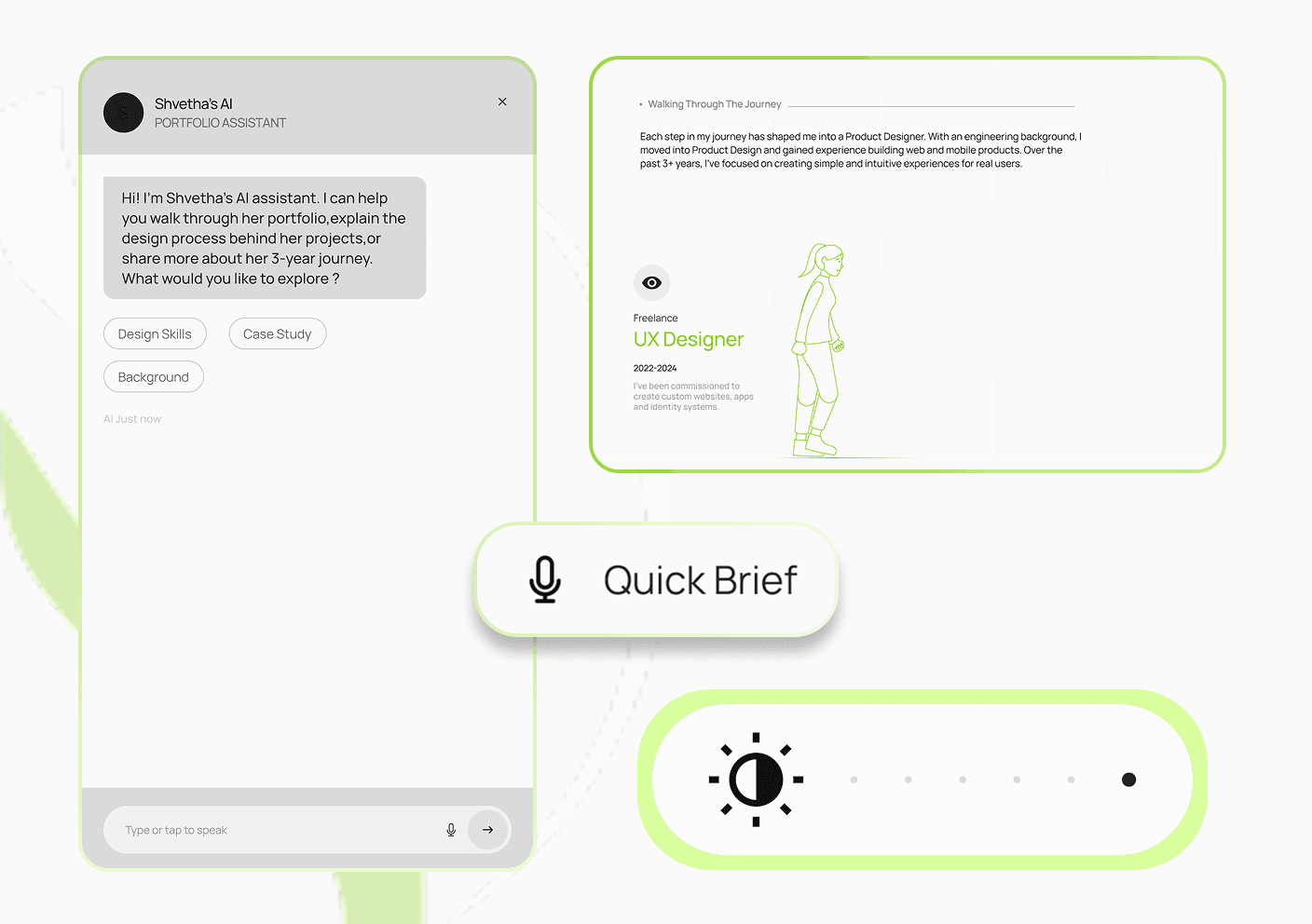
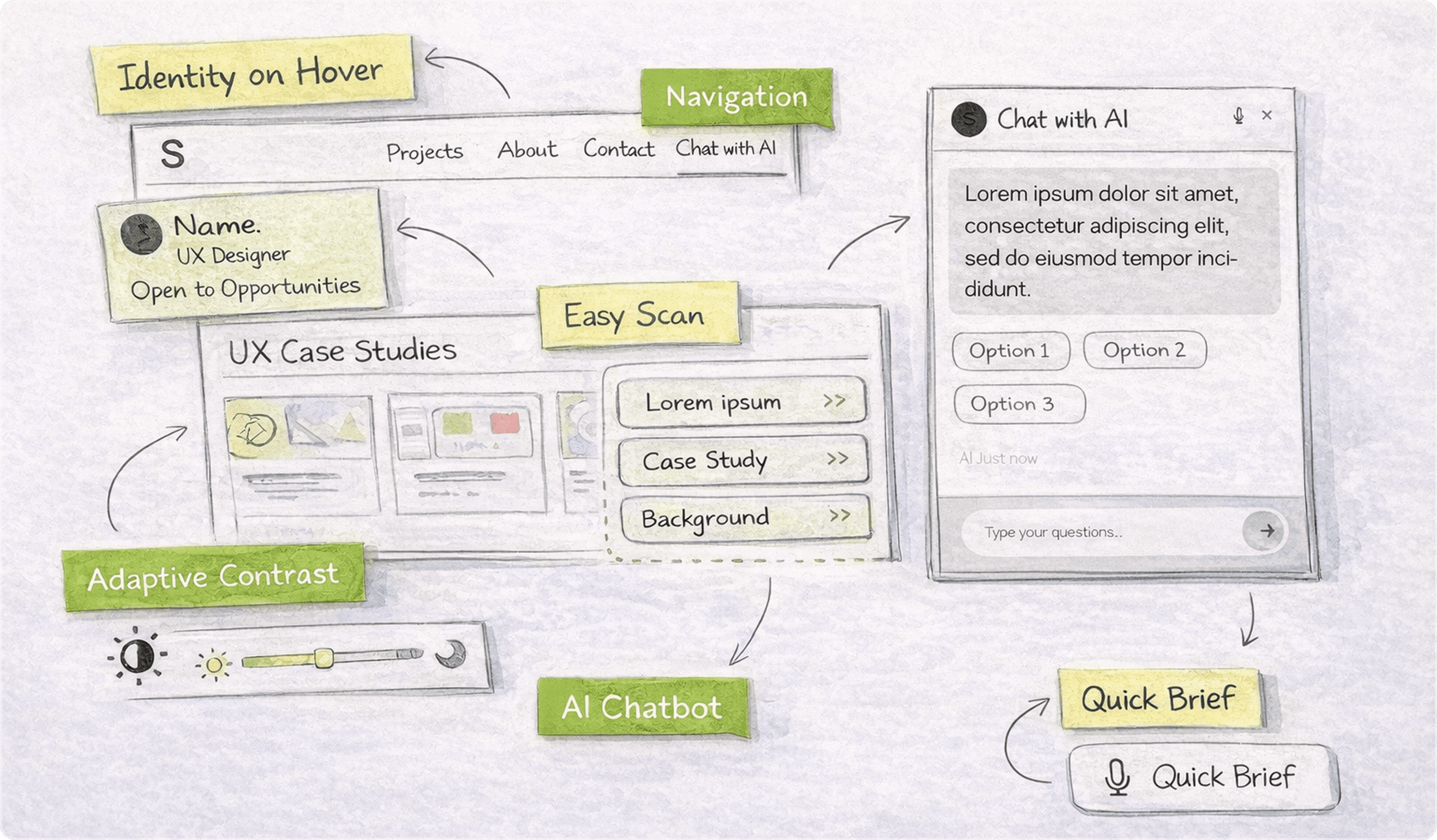
AI Portfolio Assistant
An AI-powered assistant that answers questions about the portfolio, helping recruiters explore projects, decisions, and outcomes without manual navigation.
- Answers project-specific questions
- Explains decisions and process
- Guides deeper exploration
- Provides contextual responses
- Reduces navigation effort
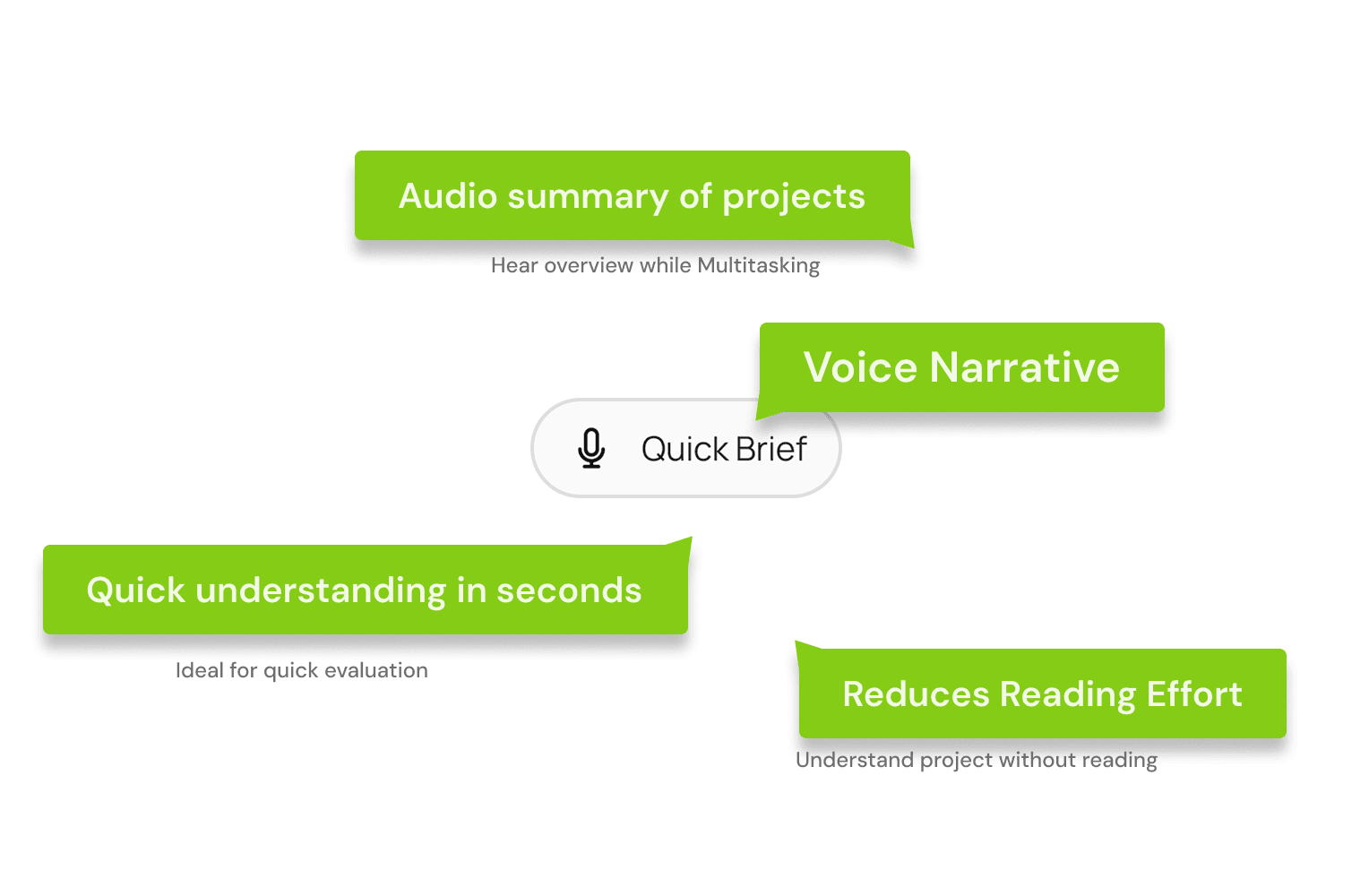
Voice Brief
A voice-driven summary that narrates the project, helping recruiters quickly understand the problem, approach, and outcome without reading everything.
- Converts project into quick audio summary
- Communicates key points instantly
- Supports passive consumption
- Reduces reading effort
- Improves quick understanding
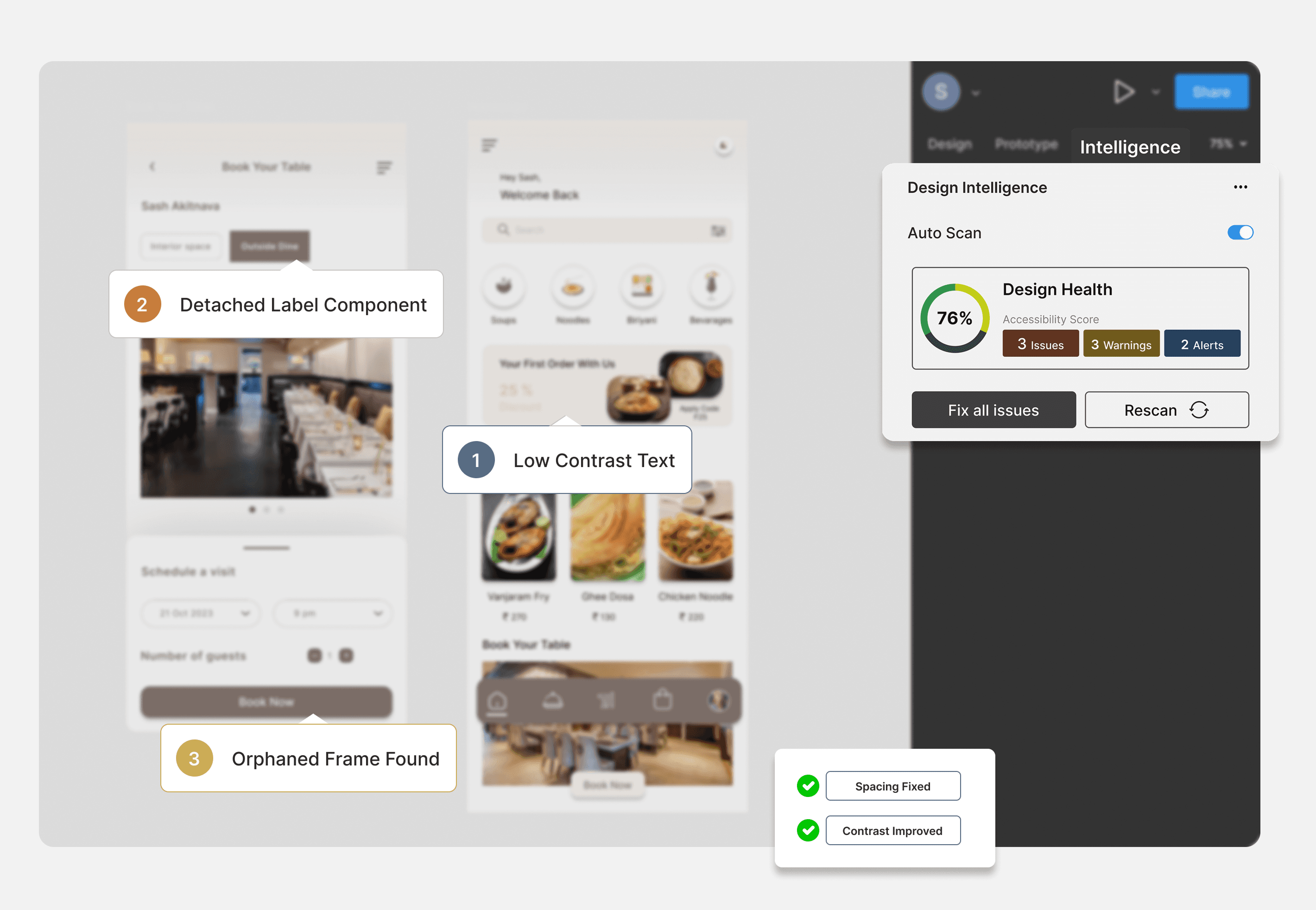
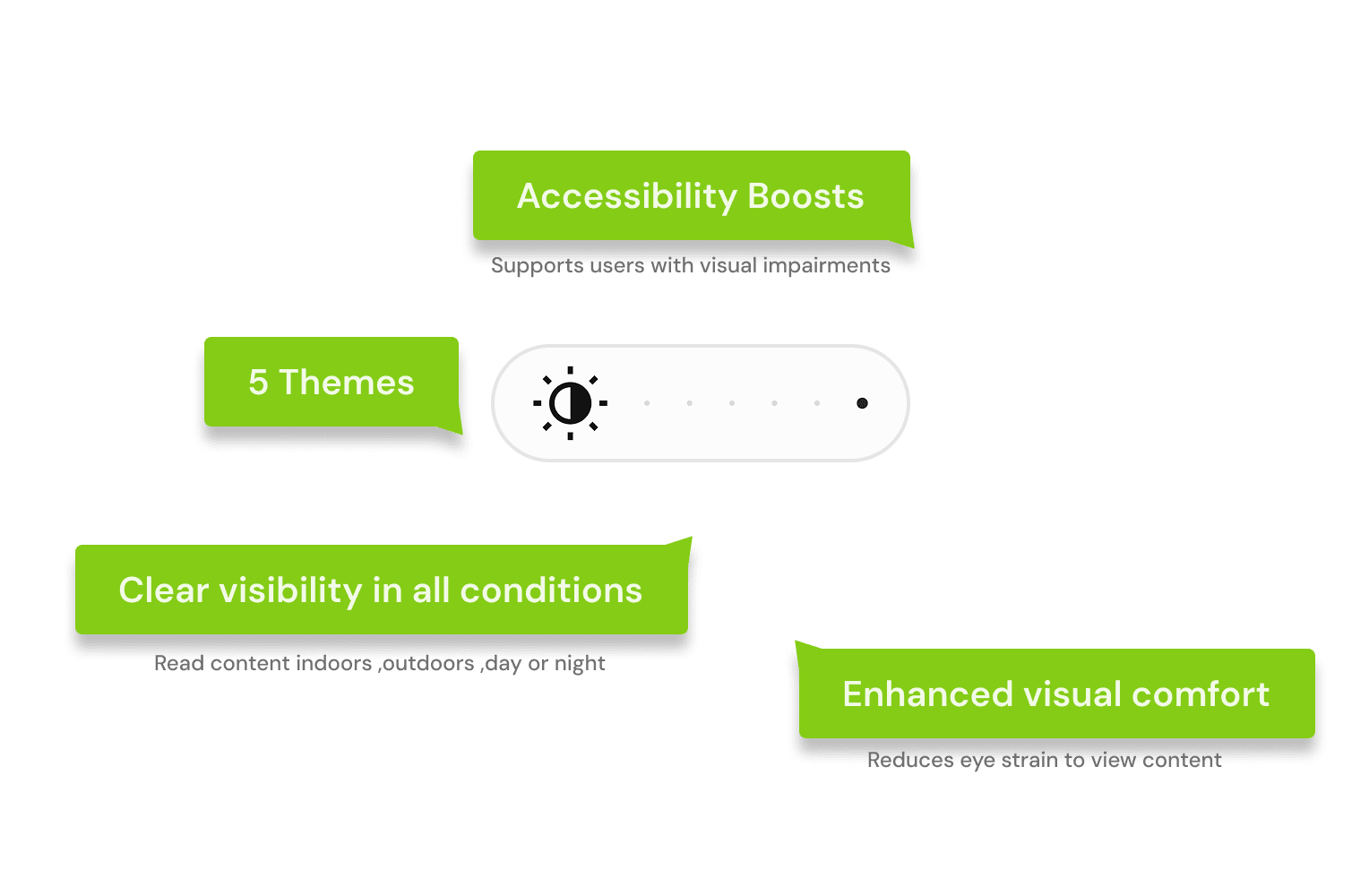
Adaptive Contrast
A dynamic theme system that adapts visual contrast across multiple modes, improving accessibility and allowing users to view content comfortably in different conditions.
- Supports multiple contrast themes
- Transitions from dark to light modes
- Improves readability and accessibility
- Reduces visual strain
- Enhances viewing flexibility
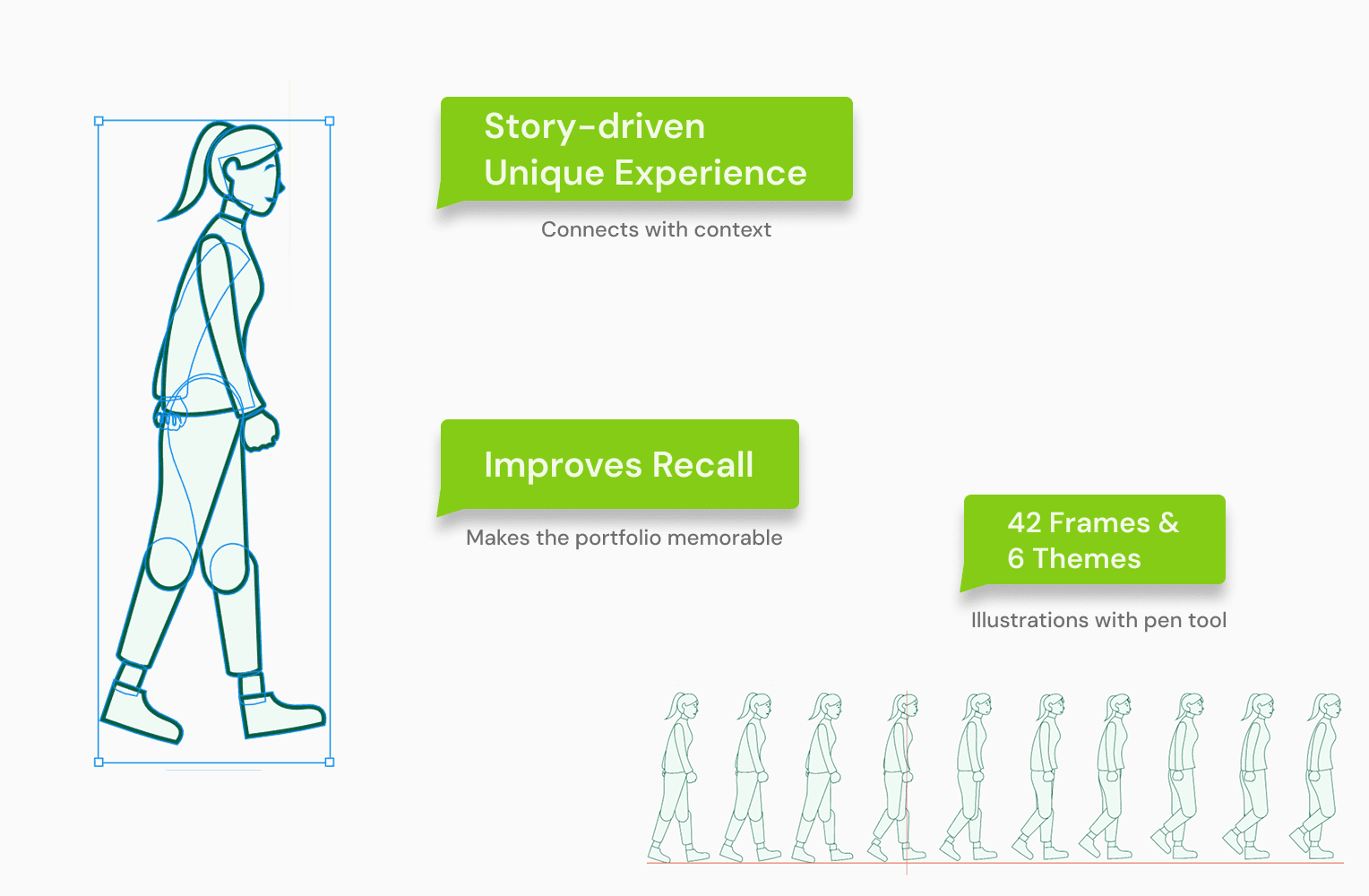
Signature Journey
A guided storytelling experience where a walking character leads users through my journey, making the portfolio more engaging and memorable.
- Guides users through a structured journey
- Uses a walking character as a visual anchor
- Connects sections with smooth transitions
- Improves engagement through motion
- Makes the portfolio more memorable
User Testing
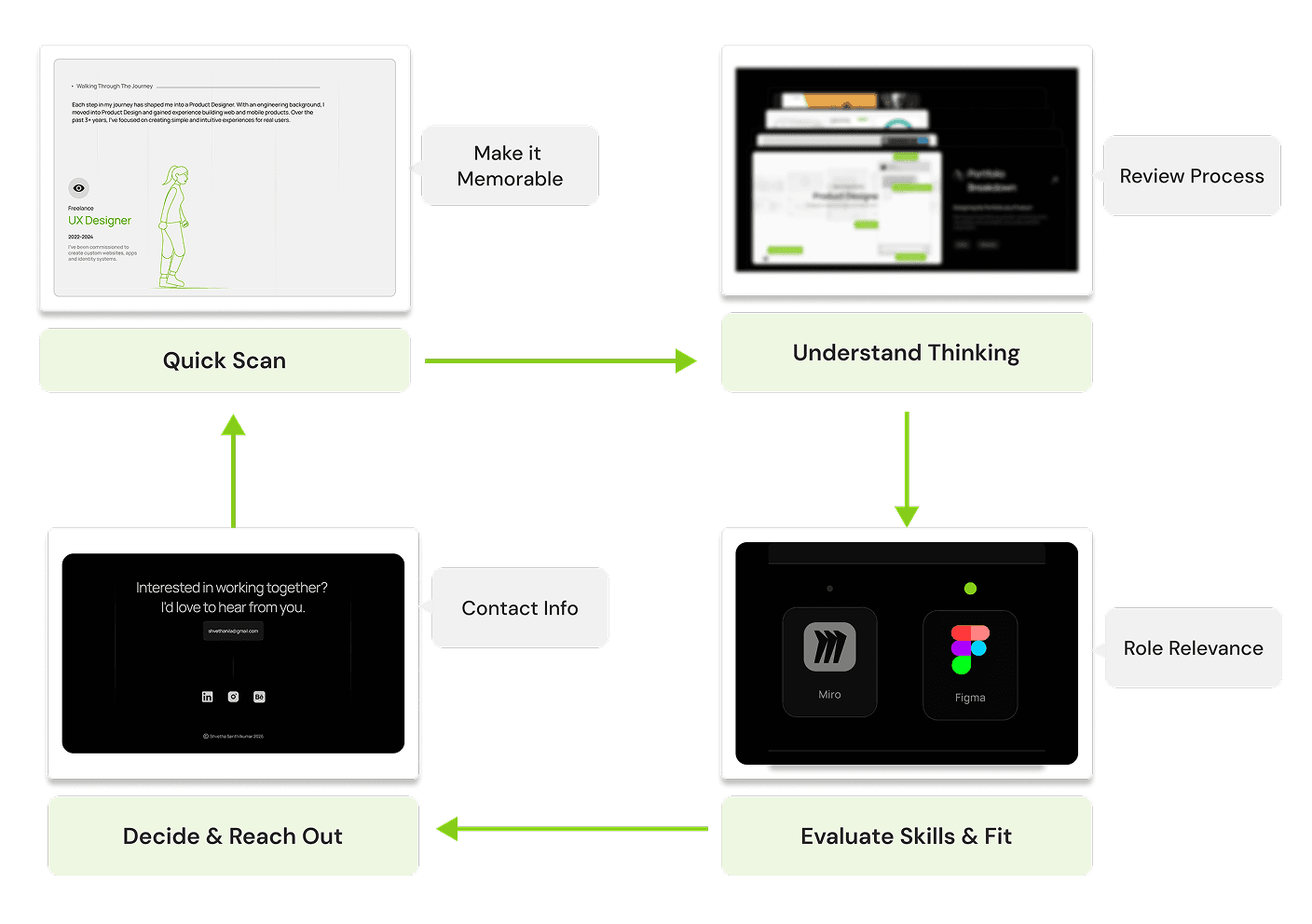
Evaluation focused on simulating how recruiters scan and assess portfolios, analysing clarity, navigation flow, and how quickly key information could be understood.
What stood out during evaluation
Surfacing key information early improved how quickly the portfolio could be understood, reducing the effort required to identify problems, decisions, and outcomes.
Structured storytelling and features like Quick Brief and AI support enabled smoother navigation, helping users move from overview to details without losing context.
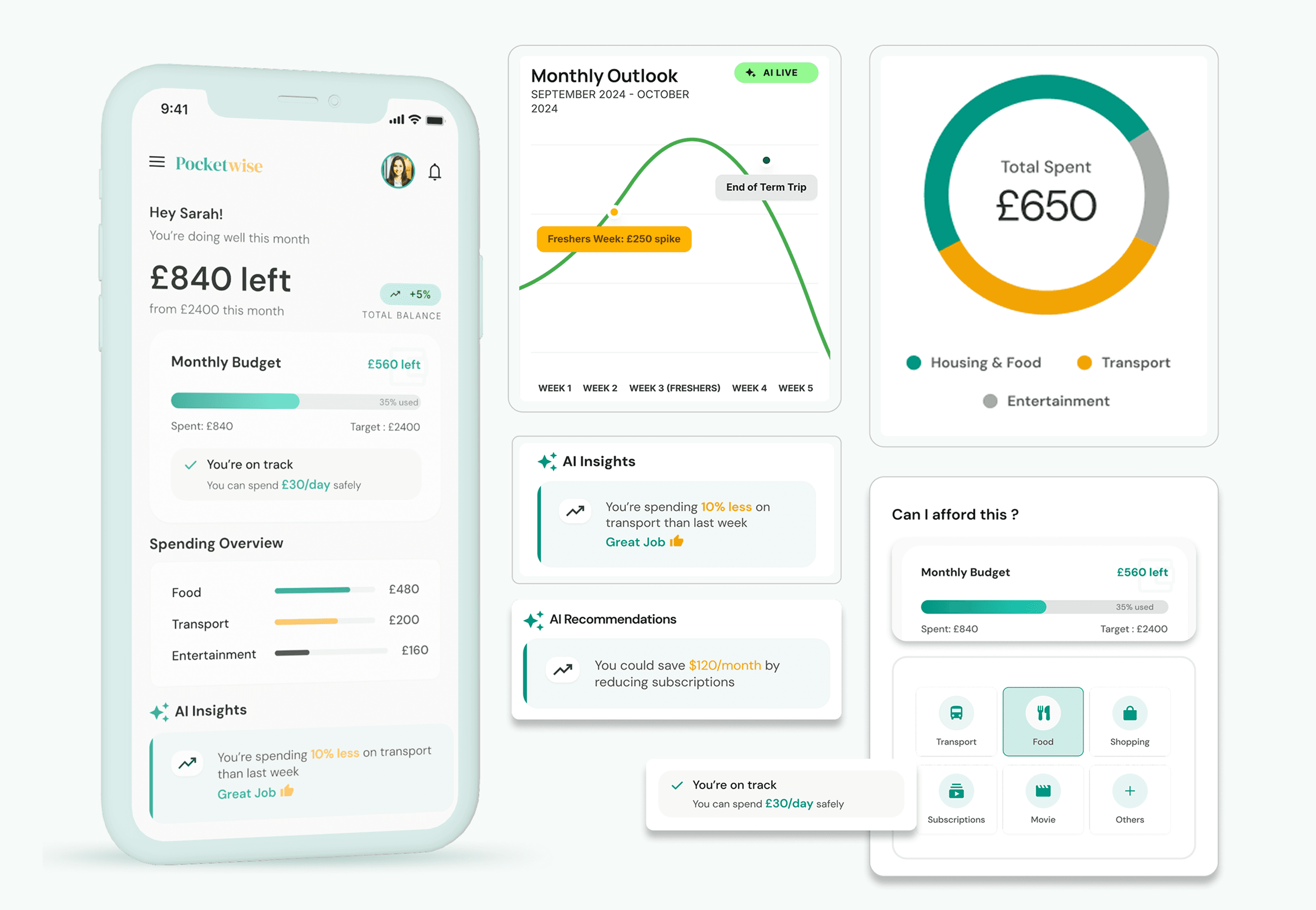
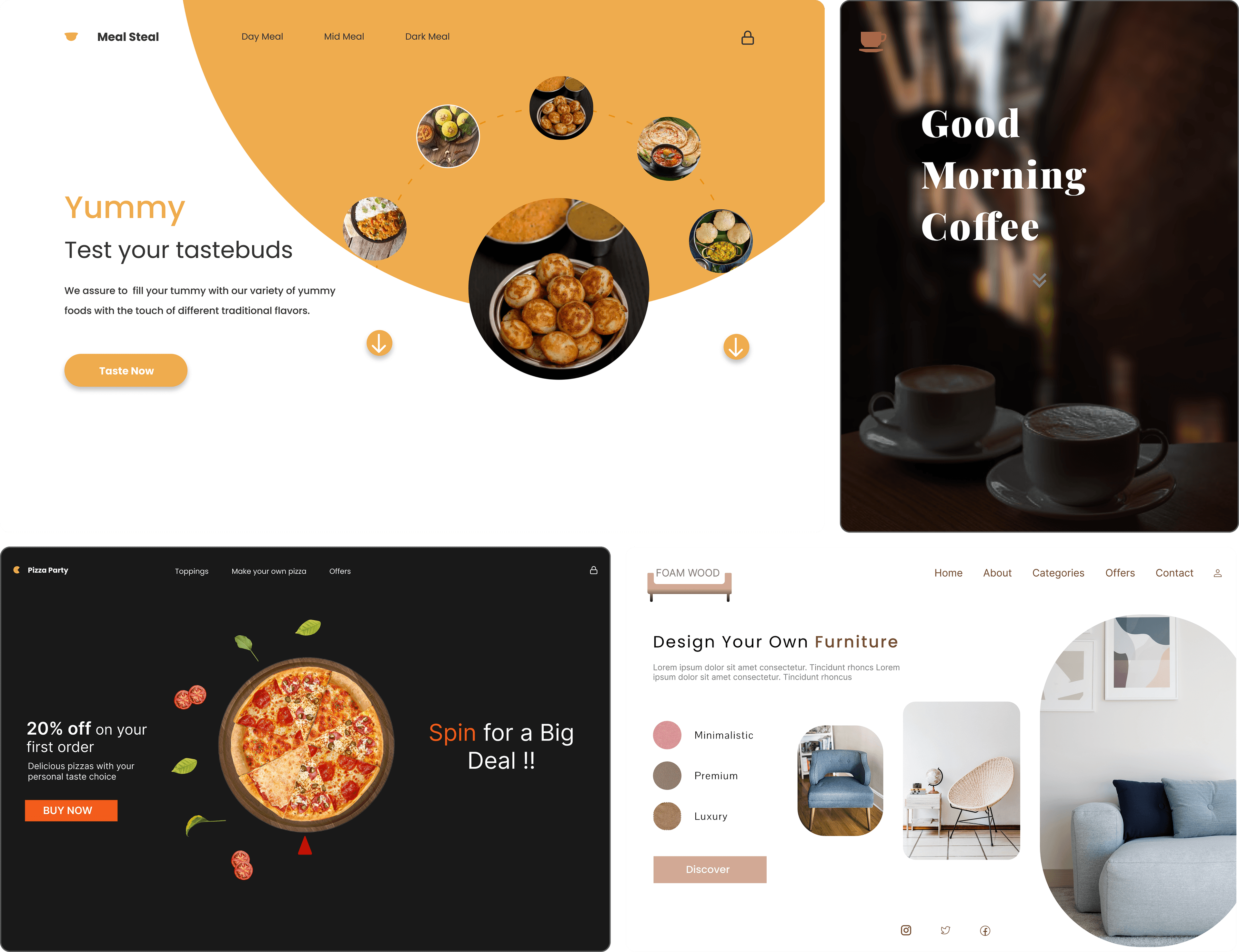
Snippets
Before & After
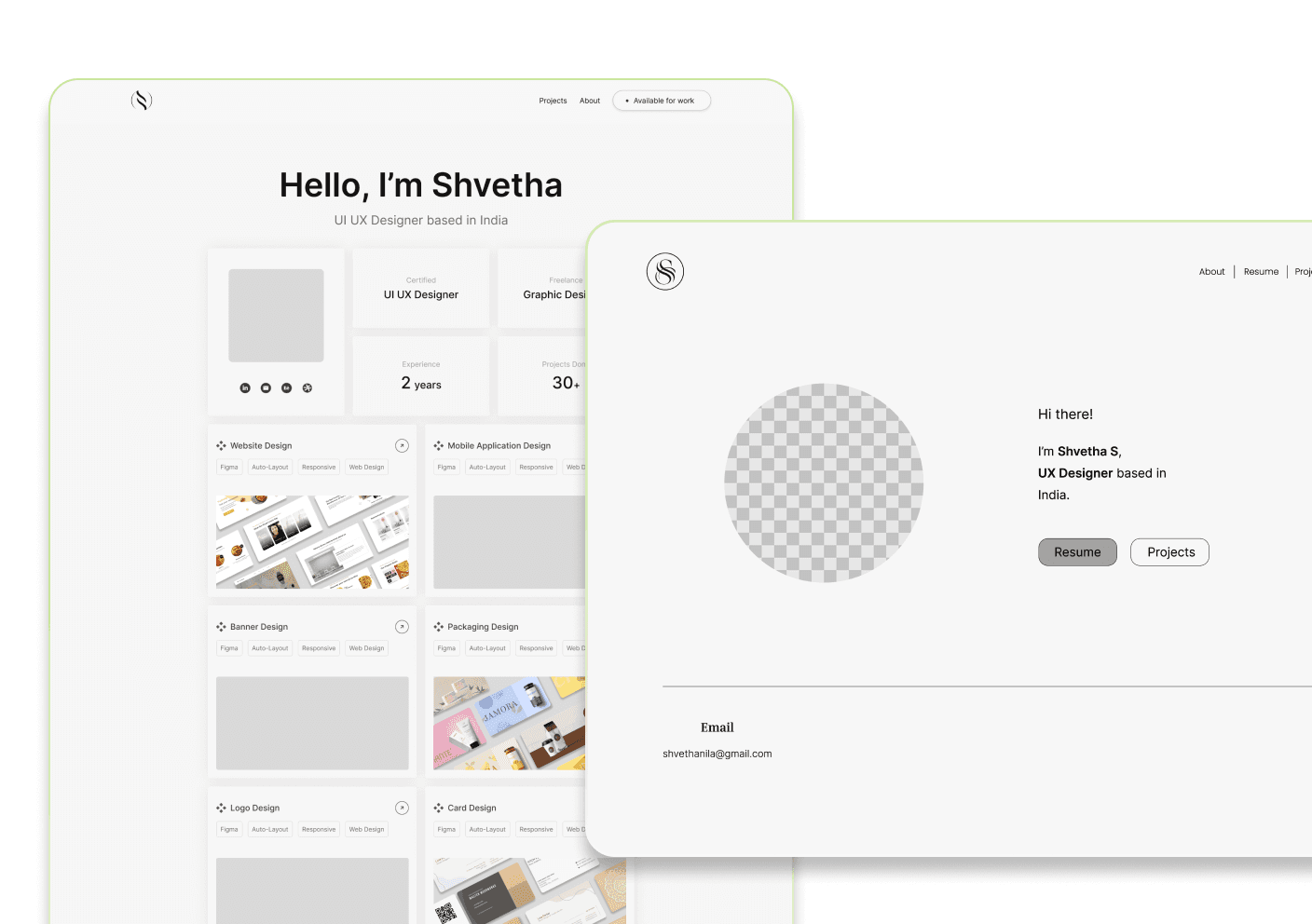
Designs and explorations
Design Impact
Learnings
- Clear structure improves how quickly work is understood
- Highlighting key insights reduces evaluation effort
- Less content can communicate more effectively
- Portfolios should support decision-making, not just display
- Guiding users improves engagement and comprehension
- Strong storytelling increases memorability
What's Next
More Guided Journeys
Improve storytelling for clarity and engagement.
Smarter Content Presentation
Present information based on relevance and user focus.
Continuous Refinement
Iterate based on feedback to improve usability and clarity.